
Lawrence Bidwell Surgeon Commander
Royal Navy
Date of Birth: 31st December 1862
Place of Birth: Lewisham, London.
Date of Death: 10th January, 1938 aged 76
Buried: Teignmouth Old Cemetery, plot PP56
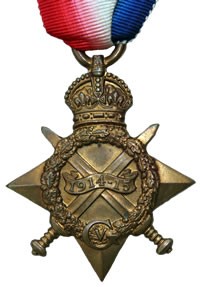
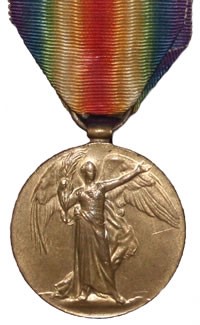
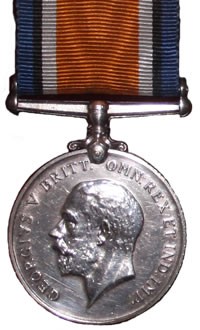
Awarded the 1914-15 Star, the British War Medal and the Victory Medal
Son of Leonard Bidwell who was born in Dereham, Norfolk (1830-) and Anne Sophia Bidwell who was born in Chertsey, Kent (1831-1904)
In 1871, Lawrence is living at 34 Lee Terrace, Lee, Lewisham, London, with his parents.
At this point his siblings that are present are his brother Leonard Arthur aged 5, and three sisters, Edith aged 13, Agnes Emily aged 11 and Helen Frances aged 10. The family have three servants living with them.
In 1881, Lawrence is shown on the census as a Medical Student and in 1889, Lawrence is an Officer in the Royal Navy.
Lawrence is shown in the 1890 Military List as serving as Surgeon on the HMS Boscawen , a 70-gun three-masted sailing ship which was used as a Training Ship for boys at the Wellesley Nautical School, Portland.
The Boscawen was renamed HMS Wesley, she caught fire and sank in 1914.
The Navy List for 1908 shows Lawrence serving as Fleet Surgeon on HMS Leviathan.
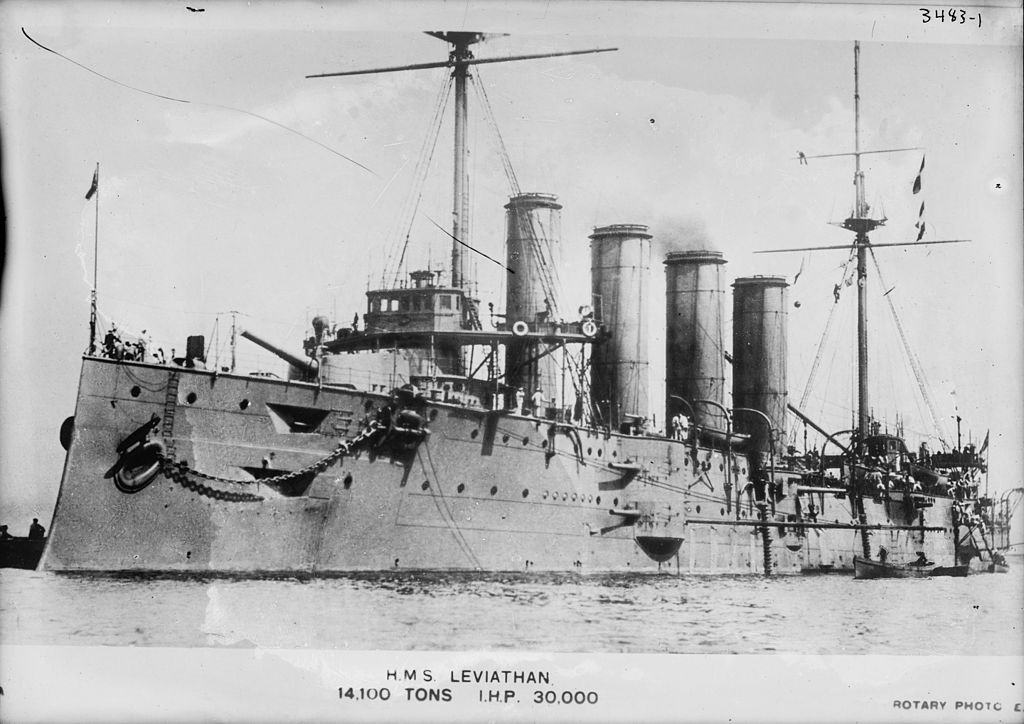 HMS Leviathan. The Library of Congress. No known copyright restriction
In the Royal Navy List for 1914 Lawrence is shown as one of the three Fleet Surgeons at the Royal Navy Barracks HMS Victory (1st August 1914). This would have been at the point of the mobilisation of the fleet reserves).
In the 1914-1920 medal roll, Lawrence is shown as 'Fleet Surgeon'.
Lawrence married Gertrude Galway-Foley of Chertsey, Kent and they had three children, Patrick Lawrence (1920-1988), Anne Patricia Lawrence (1923-1951) and John Bidwell (1941-).
In 1929 and at his death on 10th January, 1938, Lawrence and Gertrude are shown living at Buckeridge Tower, Teignmouth.
 Gravestone in Teignmouth Cemetery. Inscription: Lawrence Bidwell Surgeon Commander R.N. Died Jan 1938 and Gertrude his wife died 11th June, 1941
HMS Victory
In the First World War HMS Victory was a Naval base, a shore establishment known as a "Stone Frigate".
A number of shore establishments were named HMS Victory, as many as eight during the First World War, their roles included Royal Navy training bases and accounting bases.
HMS Victory: Portland naval base
The enormous sheltered harbour at Portand with its easy access to the heart of Britain, the Channel and the high seas has been stategically important since Roman times.
 Wight Seaplane fitted with Sunbeam engine. © IWM (Q 66268)
The base had many vital roles and facilities in the First World War.
A naval hospital was nearby.
A naval dockyard was part of the base.
There was a fuel depot supplying the coal, oil (and water) vitally needed by the steam-powered ships of the British fleet.
The base was the home of a naval air station for sea-planes which supported patrol boats by spotting submarines.
Portland waters were used for firing practice, anti-submarine training, and mobilisation and other exercises.
The bay was also used as a holding area with neutral ships at anchor waiting to be searched for materials that might be useful to the enemy.
Portland Harbour was home to the Channel Fleet and the Grand Fleet used it as an assembly area before sailing to Scapa Flow.
Boom defense vessels towed bouyed nets and other defenses across the mouth of the harbour leaving a small opening which was easier to protect from marauding submarines. Vessels would have then been stationed to protect the opening.

