
Major Ernest Gresham Moore
Gloucestershire Regiment
Date of Birth: 18th of December 1866
Place of Birth: Nottingham, Nottinghamshire
Date of Death: 7th of March 1941
Buried: Teignmouth Old Cemetery, plot SS150
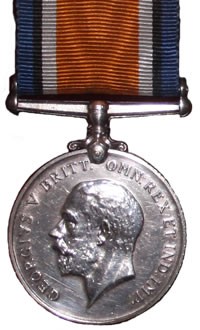
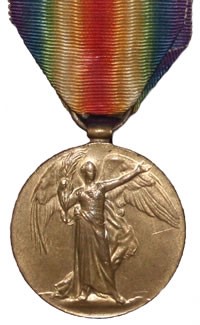
Awarded the British War Medal and the Victory Medal
Ernest Gresham Moore was born on the 18th of December 1866 and baptised on the 16th of January 1867 at Nottingham. His parents were Stephen and Mary Moore who were living at Talbot Street, Nottingham.
Stephen Moore was the Manager of the Nottingham Water Works. In 1891, Ernest was a Bank Clerk.
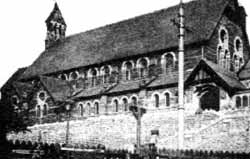 Emmanuel Church, NottinghamOn the 9th of June 1892, Ernest married Katharine Hannah Page at the Emmanuel Church, Nottingham.
On the 5th of December 1894, Ernest was promoted to
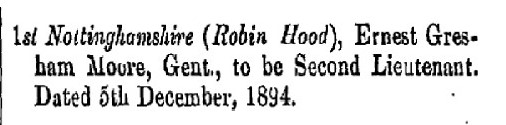 Second Lieutenant in the 1st Nottingham Regiment (Robin Hood).
The Robin Hood Battalion was a unit of the Volunteer Force of the British Army and Territorial Force, later the Territorial Army. The battalion served as infantry on the Western Front during World War I.
In 1901, the Moore family were living at Capital & Counties Bank, High Street, East Grinstead, Sussex;
Ernest was the Bank Manager and they had two daughters, Katharine Dorothy Moore, born 1894 at St Andrews, Nottinghamshire, and, Hilda Mary Moore, born 1896 at St Andrews, Nottinghamshire.
THE VOLUNTEER MOVEMENT
Ernest was a Lieutenant since 27th February 1901, made a Captain in March 1905, and granted at the same time the honorary rank of Major. He is the Commanding Officer of the Cyclist Company of the Battalion. Ernest was formerly a Captain in the 1st Notts (Robin Hood) E.V.
In the 1911 census, the Moore family was at the same address. The family employed two domestic servants.
 2nd/5th Battalion, Gloucestershire Regiment. Copyright: The Great War Archive, University of Oxford, Primary Contributor Digital repository
Photo of the members of the 2/5th Battalion, Gloucestershire Regiment, in Cheltenham, 1914 - 1915. They are possibly showing off their new kit. Charles W. Carr is standing 4th from left, holding a mess tin in his right hand, and some bread in his left hand.
The second-line Territorials.
The second-line territorial was raised in September 1914 and remained in the UK until they moved to France in May 1916. They were part of the 61st (2nd South Midland) Division, the 2/4th, and the 2/6th Battalions in the 183rd Brigade, and the 2/5th Battalion in the 184th Brigade.
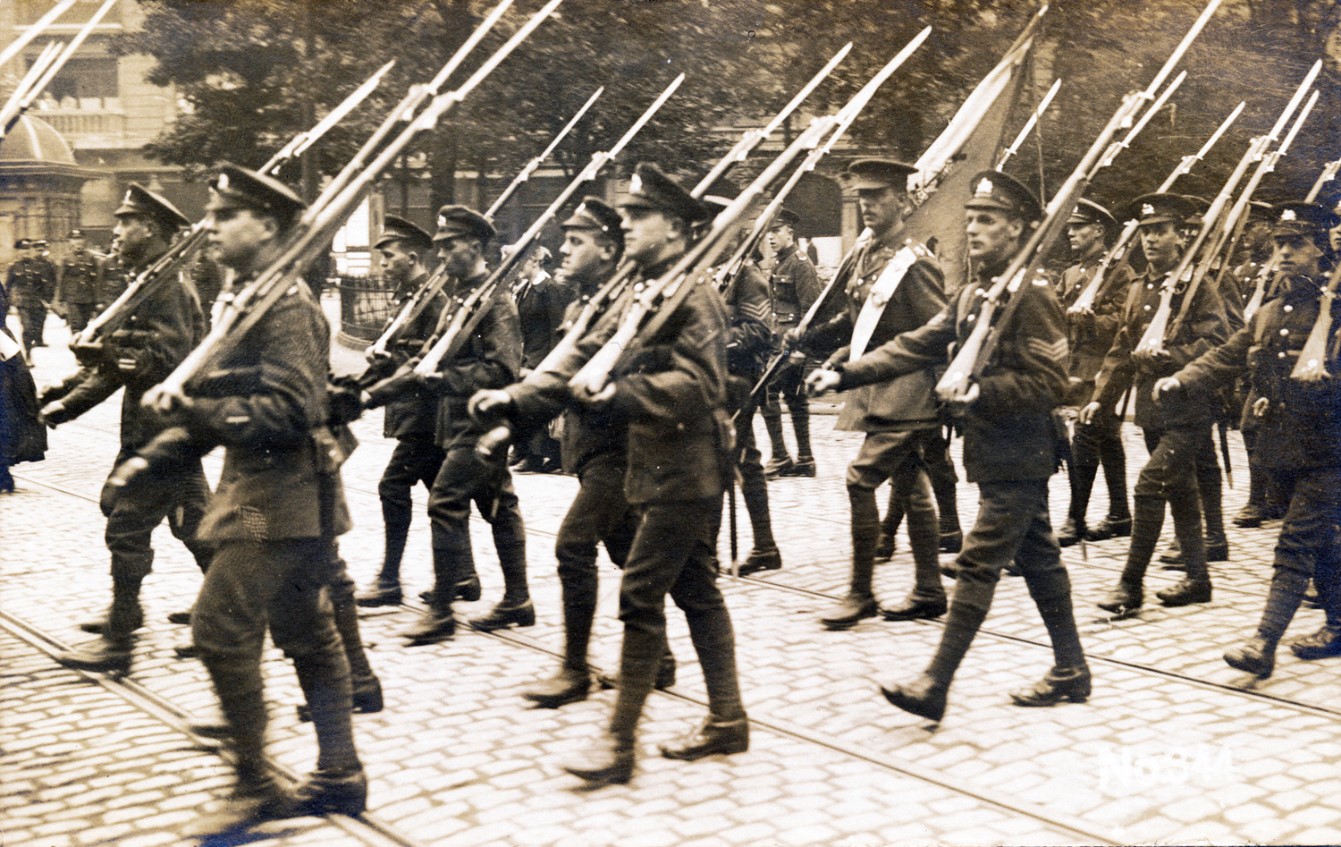 Gloucestershire Regiment
The three battalions completed tours in the front line around Neuve Chapelle. For the 2/4th and 2/6th battalions, the first real action was on the 19th of July 1916 in an expensive and unsuccessful attack in the Battle of Fromelles which cost the two battalions a total of 332 casualties.
In March and April 1917, the three battalions saw action in the advance to the Hindenburg Line south of the Somme. The 61st Division went to Ypres in July, and all three battalions fought near Gheluvelt in the Battle of Passchendale in the following month. The 2/4th battalion saw over 200 casualties.
 The Battle of the Somme
In early December, during the Battle of Cambrai, a large German counter-attack forced both the 2/4th and the 2/6th battalions from their positions in the front line at La Vacquerie, 7 1/2 miles south-west of Cambrai, reducing the 2/4th battalion to two companies and causing casualties of 16 Officers and 308 other ranks on the 2/6th battalion.
In February 1918, the 2/4th and the 2/6th battalions were disbanded and the men joined the 2/5th battalion and the 24th Entrenching battalion. At the end of March, after 10 days of fighting, retreating, and digging in near St Quentin, reduced the 2/5th battalion to 150 men during Operation Michael, the opening phase of the German Spring Offensive.
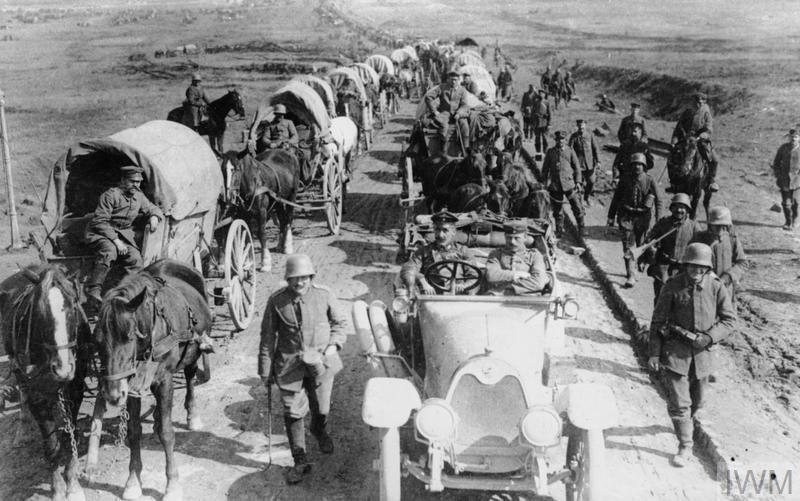 A German transport column moving forward along the Albert - Bapaume Road, March 1918. © IWM (Q 60474)
The 61st Division was transferred North to reinforce the First Army in April, and the 2/5th battalion fought a number of actions South-West of Merville during the Battle of Lys. In August, the battalion attempted to force a bridgehead across a stream in Nieppe Forest, West of Merville, and fought on the 1st of September during the advance to the River Lys.
The battalion was in action again on the 30th of September at Fleurbaix, Soth-West of Armentieres, which was its last action of the war on the 1st and 2nd of November during the Battle of Valenciennes.
 Territorial Decoration By Col André Kritzinger - Own work, CC0, https://commons.wikimedia.org/w/index.php?curid=40684695
The Territorial Decoration (TD) was a military medal of the United Kingdom awarded for long service in the Territorial Force and its successor, the Territorial Army.
After the war, the Moore family moved to Teignmouth, Devon and in the 1939 register, they are living at Barnfield Lodge, Bishopsteignton Road, Teignmouth, Devon. Ernest is listed as a 'Retired Major in the Army and a Retired Bank Manager'. His wife, Katharine, and youngest daughter Hilda May are at the same address.
Major Ernest Gresham Moore, T.D, died on the 7th of March 1941 and is buried in Teignmouth Old Cemetery, plot SS150.
Katharine Dorothy Moore married and became a Nason. She wrote children's books whilst living in Kampala, Uganda, but died on the 9th of December 1941. She is buried next to Ernest in plot SS149.
Katharine Hannah Moore died on the 26th of May 1943 and is buried with Ernest in plot SS150.
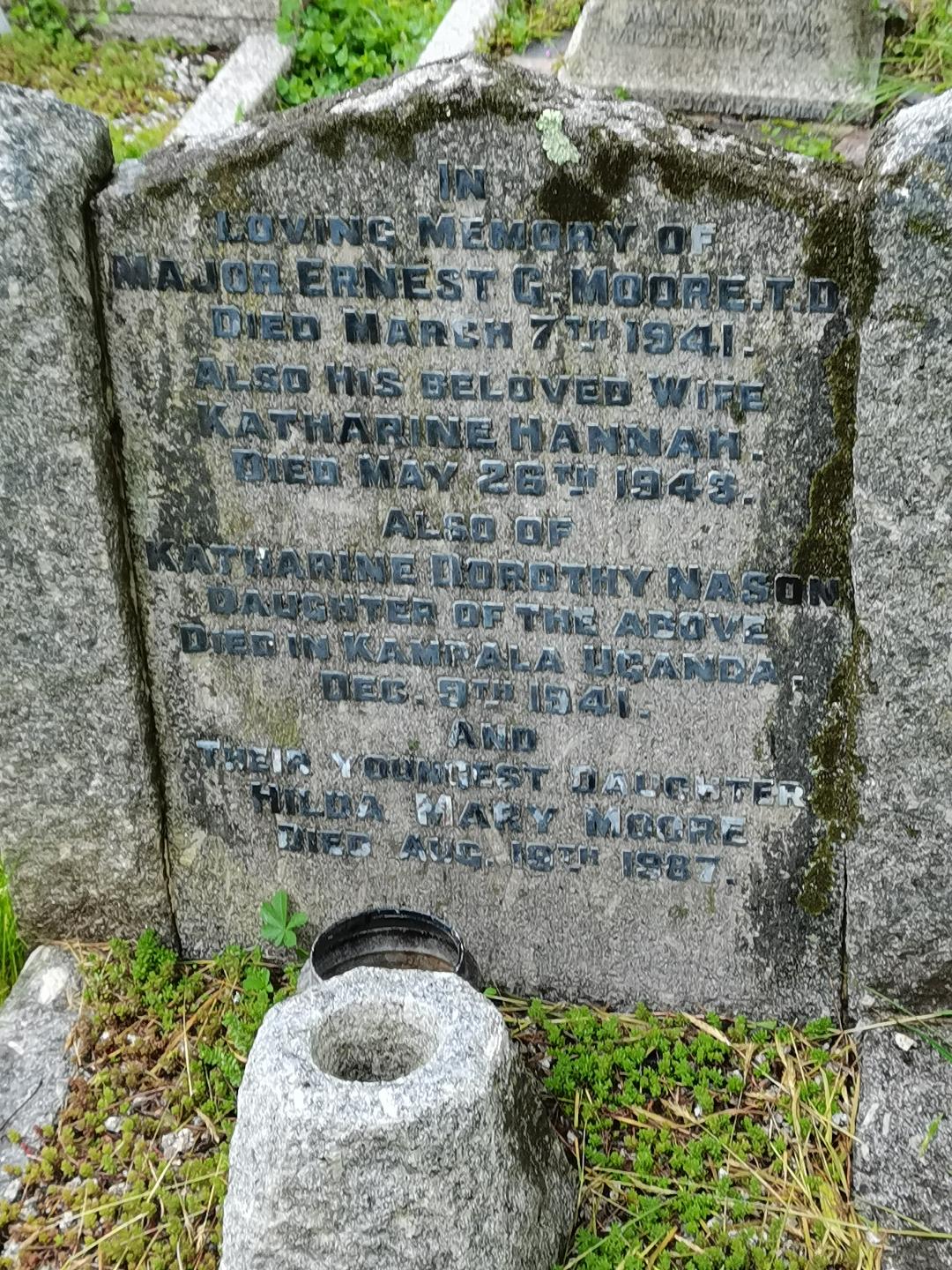
Hilda Mary Moore died on the 18th of August 1987.
