
Sergeant Henry Atwood Clark
Dragoon Guards, service number 5551, and Army Service Corps, D Squardron, Remount Depot, Swaythling, R/4/068113
Date of Birth: 13th of April 1863
Place of Birth: Trowbridge, Wiltshire
Date of Death: 14th of November 1940
Buried: Teignmouth Old Cemetery, plot SS108
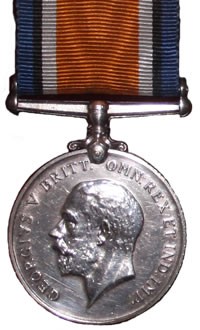
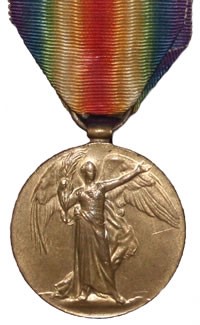
Awarded the British War Medal and the Victory Medal
Son of Henry, a Solicitor, and Elizabeth Jane Clark of Trowbridge, Wiltshire.
The Clark family were living at Polebarn Road, Trowbridge, Melksham, Wiltshire, in 1871. They employed two domestic servants.
By 1881, the Clark family had moved to Trowle, Bradford on Avon, Wiltshire. Henry Atwood Clark was a Student At Law. The family employed two domestic servants and a groom.
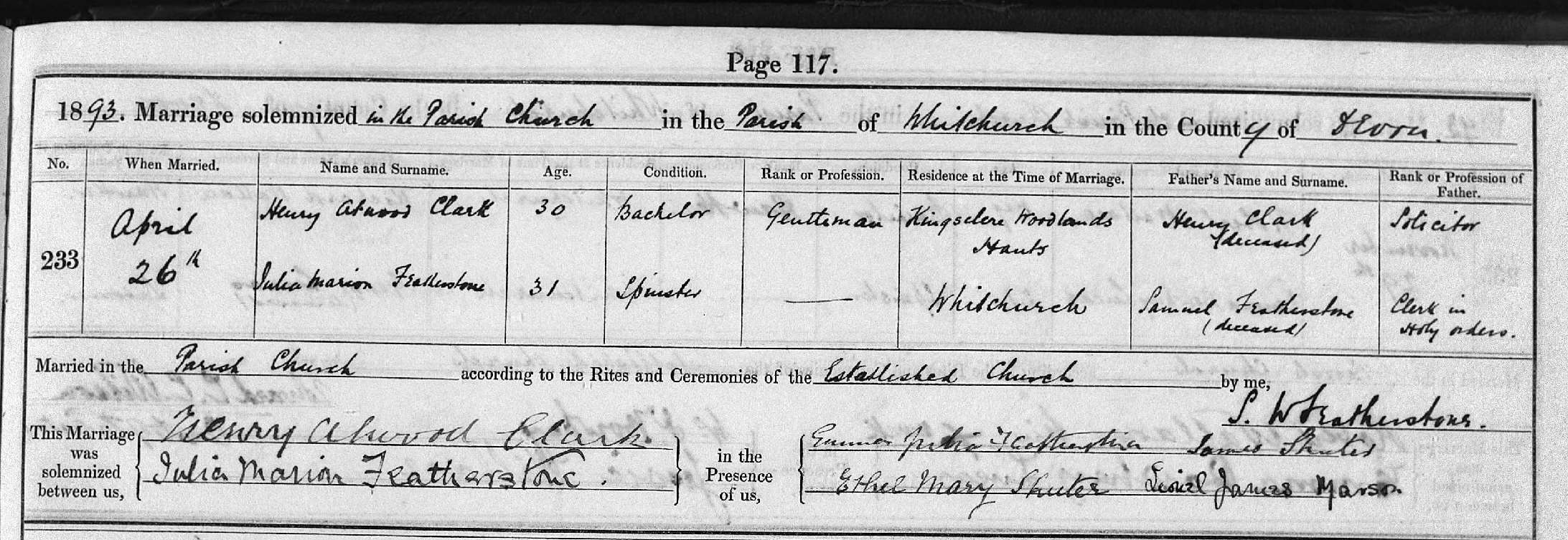 Henry Atwood Clark marriage to Julia Marion Featherstone
Henry Atwood Clark married Julia Marion Featherstone on the 26th of April 1893.
Henry Atwood Clark joined 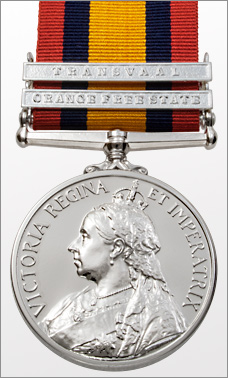 Queens South Africa medalthe 1st Wiltshire Company, 1st Battalion, Imperial Yeomanry, for the Anglo Boer War.
The Imperial Yeomanry was a British volunteer cavalry regiment that mainly saw action during the Second Boer War. Officially created on the 24th of December 1899, the regiment was based on members of standing Yeomanry regiments, but also contained a large contingent of middle to upper-class English volunteers. In Ireland, 120 men were recruited in February 1900. It was officially disbanded in 1908.
On the 13th of December 1899, the decision to allow volunteer forces to serve in the Second Boer War was made. Due to the string of defeats during Black Week in December 1899, the British government realized they were going to need more troops than just the regular army, thus issuing a Royal Warrant on the 24th of December 1899. This warrant officially created the Imperial Yeomanry.
The Royal Warrant asked standing Yeomanry regiments to provide service companies of approximately 115 men. In addition to this, many British citizens, usually middle to upper-class, volunteered to join the new regiment. Although there were strict requirements, many volunteers were accepted with substandard horsemanship and marksmanship, however, they had significant time to train while awaiting transport.
In 1911, Henry and Julia were living at Rose Hill Horrabridge, Sampford Spiney, Devon, living on Private Means. Julia's mother was living with them, Emma Julia Featherstone. They employed one domestic servant.
Henry Atwood Clark attested for Dragoon Guards on the 14th of October 1914, service number 5551, but by 1916 was with the Army Service Corps, D Squadron, Remount Depot, Swaythling, service number R/4/068113. Henry's profession was Author at the time he attested.
D Squadron, Remount Depot, Swaythling
At the outbreak of WW1, the British Army had a total establishment of 25,000 horses and mules, five Remount Depots and four Remount companies, with a remount strength of approximately 1,200 animals. Within 12 days, the establishment had been increased to 165,000 animals, entirely by impressment, and a year later, in August 1915, to 534,971.
At its peak in 1917, the Army establishment reached almost 870,000 horses and mules, with remount accommodation for 60,000 animals. To cope with this increase, four additional main Home depots were established, at Shirehampton, Romsey, Ormskirk and Swaythling, and the capacity and complement of each depot were also increased.
At Swaythling, for example, on the 1st of April 1919, several months after the end of the war, 3,530 horses and mules were stabled and cared for by 757 men. The first three of these depots were used for horses and mules arriving from overseas, whilst Swaythling was a collection centre for animals being shipped abroad. Several other smaller depots were established throughout the country for receipt of locally bred horses.
The establishment of officers and men was also increased to cope with this number of animals, from 121 officers and 230 men in August 1914 to 423 officers and 20,560 men in 1917. Many of the Remount officers were drawn from the landed gentry, masters of foxhounds and others who had experience with horses in civilian life, thus avoiding withdrawing Army officers from their normal duties.
After surviving WW1, Henry Atwood Clark published several books, including;
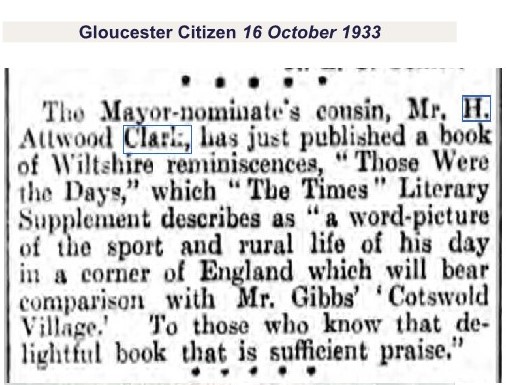
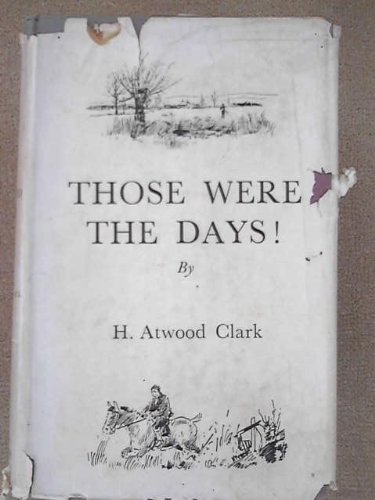 Those were the days! by Henry Atwood Clark, 1933
Henry also wrote several books on training gun dogs.
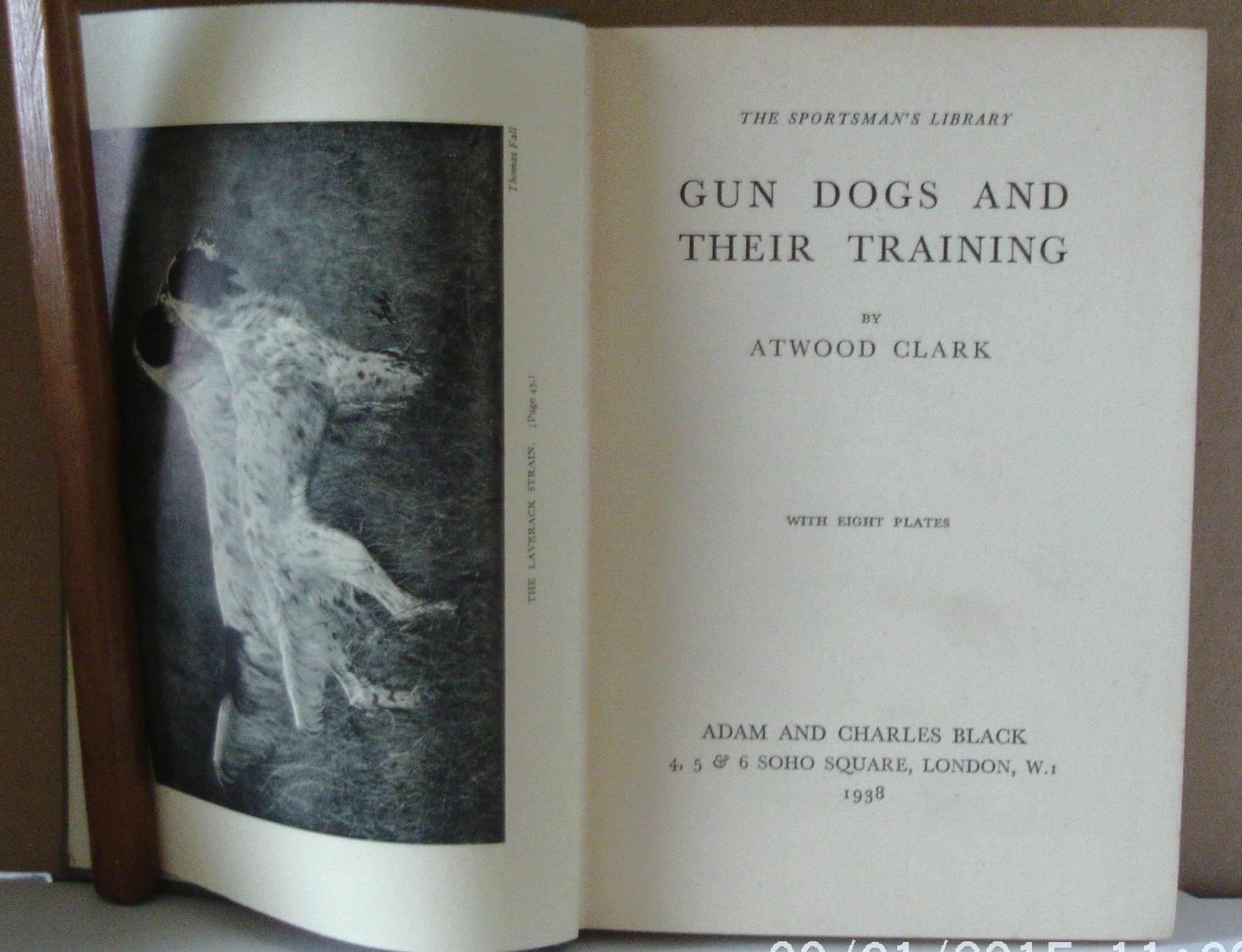 Gun Dogs and their training by Henry Atwood Clark
In the 1939 register, Henry and Julia were living at 1, Stanley Gardens, Teignmouth, Devon. Henry's occupation was Author.
Henry Atwood Clark died on the 14th of November 1940.
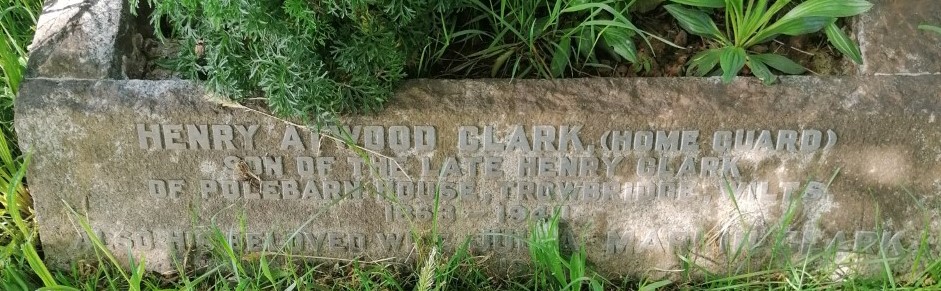
Inscription: Henry Atwood Clark (Home Guard) son of the late Henry Clark of Polebarn House, Trowbridge, Wilts.
1863-1940
Also his beloved wife Julia Marion Clark
