Able Seaman Frederick John Broom
Royal Naval Reserve, HMS Berwick, S/4169/B
Died of Wounds
Date of Birth: Feb 16th 1878
Place of Birth: Teignmouth, Devon
Date of Death: 18th October 1914, aged 36.
Buried: Kingston (Up Park Camp) Military Cemetery, Jamaica
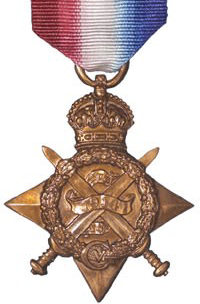
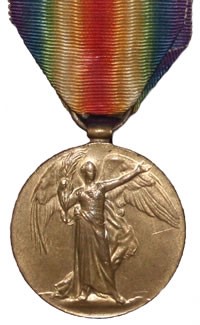
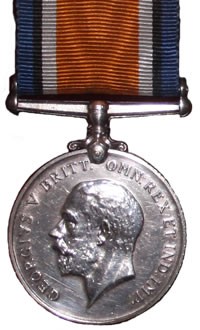
Awarded the 1914 Star, the British War Medal and the Victory Medal
Frederick John was born in Teignmouth, Devon in 1878.
The 1891 census listed the 13 year old Frederick as a fisher-boy living with his widowed grandmother Mary Ann Broom (née Dodd, 1833 -1915) at 15 Willow Street, Teignmouth, Devonshire. Mary Ann was born in Teignmouth.
Frederick's mother was Eliza Ann Broom, she worked as a fish hawker, and was also living at 15 Willow Street.
In 1901 Frederick was listed as nephew to Mary Ann, his grandmother, they were both living at 6 Teign View, he was working as a mariner at sea. She was also listed as his next of kin on the naval record of his death.
Having grown up a fisher-boy in a coastal town, as a grown man Frederick became a seaman although that record has not been found. His date of birth is given as *16 February 1878 on his naval record.
Frederick's seaman's ticket number was 4169B. Later he came under Royal Naval Reserve and he was on board HMS Orotava in Jamaica at the outbreak of war, he was discharged from her on 7 August and appears to have joined HMS Berwick.
His naval record regarding his death showed that he was on duty aboard a prize ship SS Bethania captured from the Germans when his skull was fractured on 18 October 1914.
Buried in Military Cemetery, Kingston, Jamaica. Remembered on Seafront Memorial and St. James' Church Memorial Window, Teignmouth.
*Many men falsified their date of birth in this era in order to be allowed to join the Royal Navy.
HMS Berwick in 1914
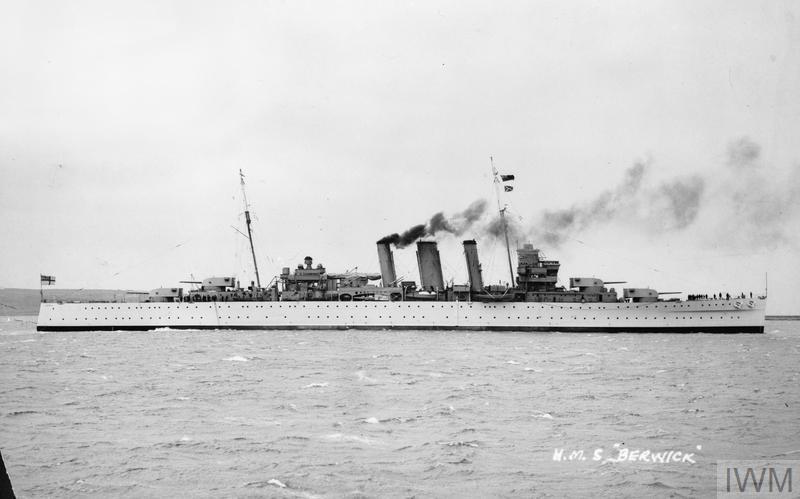 HMS Berwick on completion. © IWM (FL 1891)
HMS Berwick was one of 10 Monouth-class cruisers built for the Navy in the early 1900s. By the start of the First World War, the Berwick was 12 years old and already considered outdated as warship design had developed so quickly.
The Monouth-class cruisers had also been designed for commerce protection, not as ships of war, so they were outmatched by the German vessels that they had to fight.
After the 1914 Battle of the Falklands, she was sent to chase fleeing the German units fleeing the battle in the South Atlantic, she captured the German merchantman Spreewald on 10 September 1914 and delivered the prisoners to St Luica.
She spent most of the war on convoy escort duties and patrolling for German raiders.
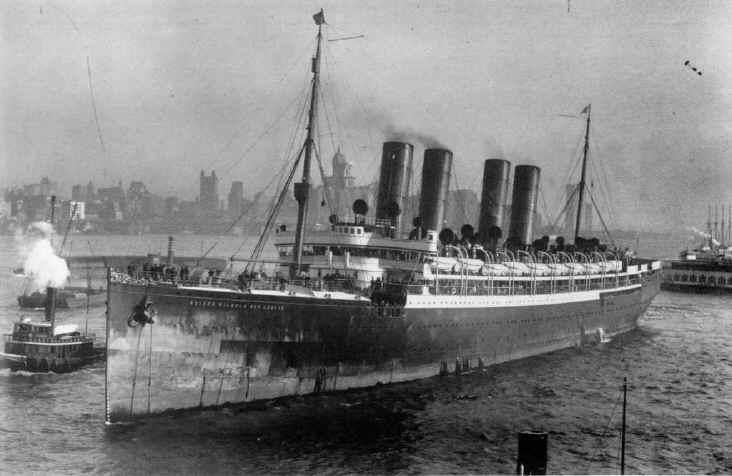 S.S. KAISER WILHELM DER GROSSE. LC-USZ62-69219 Library of Congress Prints and Photographs Division by A. Loeffler
On 7 September 1914 the HMS Essex, captured the SS Bethania, tender of the armed merchant cruiser SS Kaiser Wilhelm der Grosse, en route from Halifax to Jamaica.
SS Kaiser Wilhelm der Grosse was a converted liner, one of the largest ships of it's time.
On the left of the image of SS Kaiser Wilhelm der Grosse is one of her tender's, similar to the SS Bethania prize ship that Frederick John was aboard when his skull was fractured on 18 October 1914.
