
Able Seaman Alfred Parker
HMS Monmouth, Royal Navy
Killed in Action
Date of Birth: 1885
Place of Birth: West Teignmouth, Devon
Date of Death: 1 November 1914 aged 30
Buried: Commemorated on the Plymouth Naval Memorial
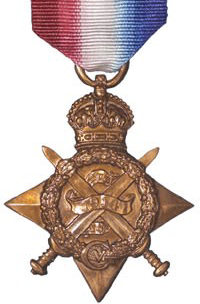
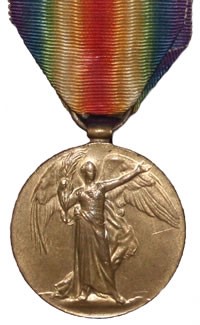
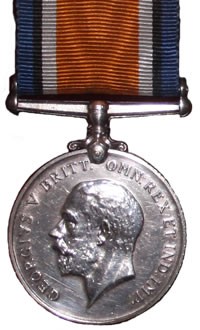
Awarded the 1914 Star (RN), the British War Medal and the Victory Medal
Stoker 1st Class Alfred Parker, age 30. Alfred was born in Teignmouth, registered Quarter 4, 1883 his parents were William, a boot repairer, and Emma, he was their youngest son.
He worked as a fisherman until joining the Royal Navy as a boy entrant on 18 February 1902. Shown on 1901 census with his parents and siblings, living at 1 Gordon’s Cottages, Higher Brook Street, Teignmouth.
Joining the Royal Navy, service number Dev/217448, Alfred was sent to HMS Northampton, a sea-going training ship based on the river Thames. When he attained his 18th birthday in August he was listed as an Ordinary Seaman.
In February 1903 he joined HMS Royal Oak when she was recommissioned in Portsmouth as part of the Home Fleet. He was listed as Able Bodied Seaman in February 1904 whilst still on the Royal Oak. Serving on a variety of ships he was always listed with a very good character reference.
On the 1911 census Alfred's address is listed as "Argyll, Royal Navy at Sea and in ports abroad, England".
On 2 August 1914 in Devonport he embarked the recommissioned armoured cruiser HMS Monmouth, sailing from Plymouth on 6 August and bound for the South Atlantic.
Here the ship was to join Rear Admiral Craddock’s 5th Cruiser Squadron to be based out of the Falkland Islands to search for German commerce raiders and protect Allied shipping.
Alfred lost his life on 1 November 1914 when HMS Monmouth was fired on and eventually blown up with the loss of all hands. Remembered on Plymouth Naval Memorial; Seafront Memorial, St. James' Church Memorial Window and St. Michael's Church Memorial, Teignmouth.
HMS Monmouth in the First World War
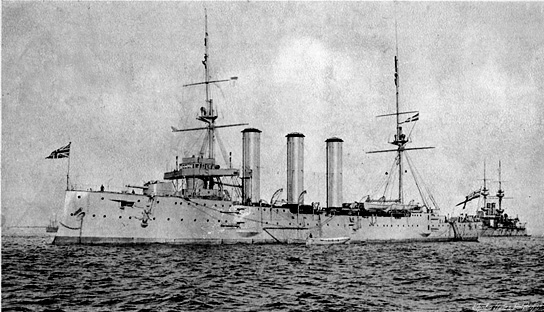 HMS Monmouth
HMS Monmouth was built for the Royal Navy in the early 1900s. By the start of the First World War, the Monmouth was 12 years old and already considered outdated as warship design had developed so quickly.
The Monmouth class cruisers had also been designed for commerce protection, not as ships of war, so they were outmatched by the German vessels that they had to fight.
A few months after the begining of the First World War the Monmouth was ordered to the South Atlantic to join the squadron under Rear-Admiral Sir Christopher Cradock in their search for the German East Asia Squadron that was led by Vice-Admiral Graf Maximilian von Spee.
The British Squadron found and engaged the German Squadron on the 1st November 1914 off the coast of Chile, the battle was called the Battle of Coronel.
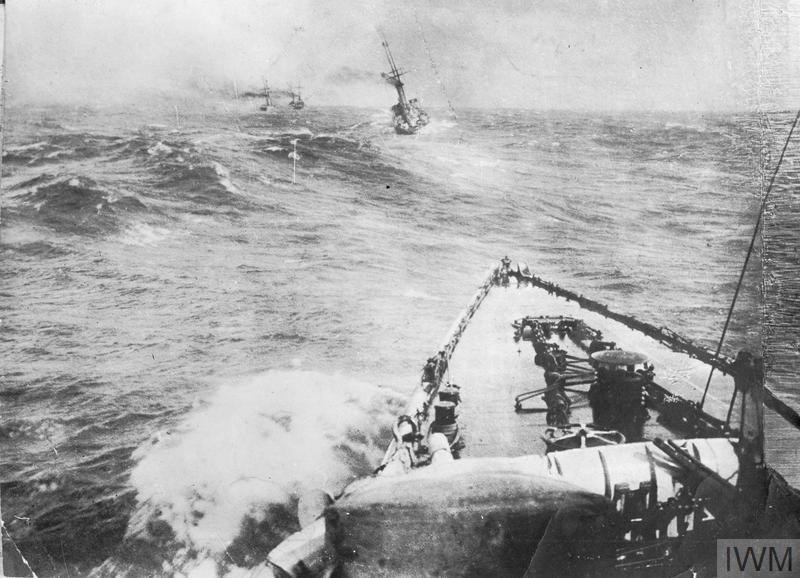 Vice-Admiral von Spee's squadron, in line ahead off the Chilean coast. © IWM (Q 50992)
View more
Craddock's squadron were outnumbered and the Monmouth and all 678 of her crew were amongst those lost.
Ordinary Seaman Robert Kent aged 18, Stoker 1st Class Alfred Parker, age 30 and Stoker 1st Class John William James Russell age 23, (all from Teignmouth) were killed in action when the HMS Monmouth sank.
1450 of Craddock's men died in the Battle of Coronel. Damage to German ships was insignificant.
