Able Seaman Henry Frank Denham
HMS Valiant, Royal Navy
Died in Military Service
Date of Birth: 1879
Place of Birth: Exeter, Devon
Date of Death: 23 November 1916 aged 36
Buried: Topsham Cemetery, Devon
Awarded the 1914 Star, the British War Medal and the Victory Medal
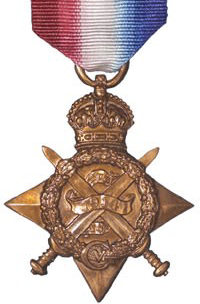
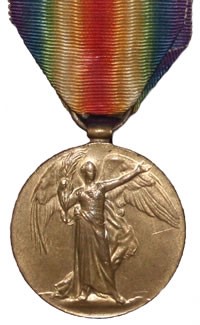
Able Seaman Henry Frank Denham age 36.
Henry was born in Exeter in October 1879 and baptised at St. Mary Major, Exeter on 25 Oct 1879; he was the son of George, a gas fitter, and Mary Denham of Topsham.
In 1881 the family were living in St. Mary Major parish. By 1891 he was living with his uncle a grocer in Heavitree, Exeter. The 1901 census showed Henry as an Able Seaman on board HMS Defiance in Devonport.
He married Maud Eola Snow, formerly of Teignmouth, on 24 February 1908 at Topsham. In 1911 he was shown living in Pont Street, London with his wife Maud and young daughter; he was employed as a chauffeur.
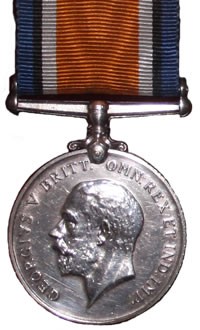
Prior to WW1 was working in York as a crane man, but was on Royal Fleet Reserve.
Henry was called up to serve on HMS Valiant, RN, service no. 193997, and he took part in the battle of Jutland.
Henry died from disease on 23 November 1916 and was buried in Topsham Cemetery. Probate given to Maud with a total of £189.15s.8d.
HMS Valiant
Upon completion in early 1916 the Valiant joined the Fifth Battle Squadron of the Grand Fleet. She was part of the Battle of Jutland on May 31st 1916.
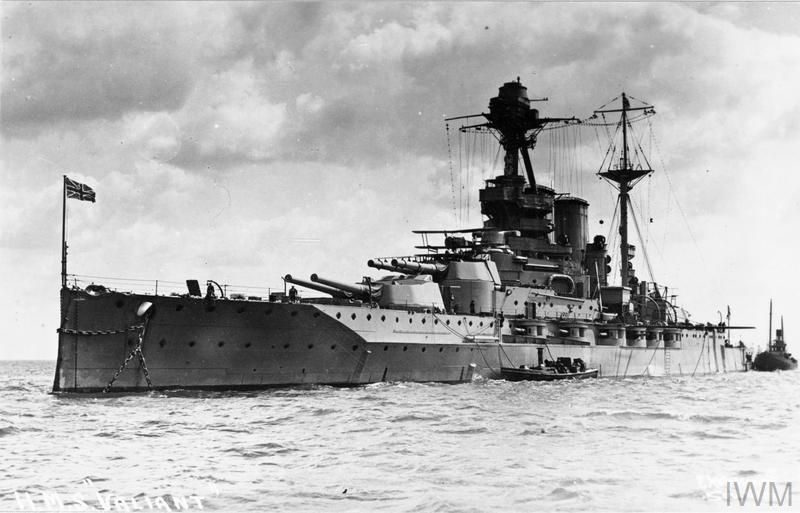 Battleship HMS Valiant. E. Hopkins. © IWM (Q 75203)
At the Battle of Jutland Valiant fired 288 15-inch shells at the German Fleet but she suffered no damage.
On 24 August 1916 the Valiant collided with HMS Warspite and was under repair until 18 September.
The Battle of Jutland
This was the largest naval battle of the First World War (May 31 - June 1, 1916).
It involved involved 250 Warships and around 100,000 men.
The German and British navies were 10 miles apart and pounded each other with shells for a whole day.
The German High Seas Fleet had hoped to ambush and destroy the British Grand Fleet in the North Sea.
The British were warned by their codebreakers and put two forces to sea early, they lost 14 ships and over 6,000 men in the battle but the fleet was still ready to fight the next day.
Amongst those losses were six men from Teignmouth. Two brothers, Edward and Frederick Meyers, were both stokers aboard HMS Indefatigable; it was Frederick's 23rd birthday. Frank Morrish had just returned from leave, he was chief armourer on HMS Defence. Arthur Kidston and William Mutters were both serving in the Royal Marine Light Infantry; Arthur was on board HMS Black Prince and William on HMS Queen Mary. Seaman Stephen Sienesi died of wounds on board HMS Petard and was buried in Edinburgh.

The Battle ended in a stalemate, both sides claimed victory.
The German navy did not seriously challenge British control of the North Sea during the First World War again after that battle, as a result the British were able to blockade essential supplies from reaching Germany which contributed to Germany losing the war.
Warships of the Grand Fleet in the North Sea. © IWM (Q 68706)
