
Private Arthur Sydney Kidston
2nd Battalion, Royal Marines, Royal Naval Division
Killed in Action
Date of Birth: 10 January 1885
Place of Birth: Teignmouth, Devon
Date of Death: 31 May 1916 aged 31
Buried: Remembered on Portsmouth Naval Memorial; and Seafront Memorial, Teignmouth, Devon.
Awarded the 1914-15 Star, the British War Medal and the Victory Medal
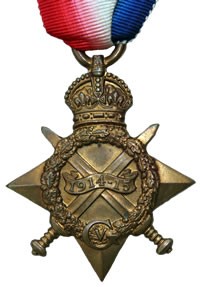
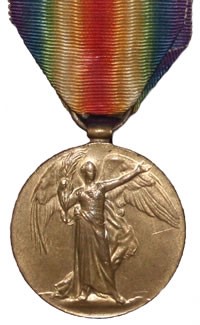
Private Arthur Sydney Kidston age 31.
Arthur was born 10 January 1885 and baptised at St James’ Church, Teignmouth, Devon, on 29 March 1885, the son of Samuel, a chimneysweep, and Susan Kidston of 1 Boscawen Place.
On the 1891 census he was shown with his parents at Boscawen Place. By 1901 he was living and working for his uncle in Wimbledon. The 1911 census showed him with Royal Navy at Portland.
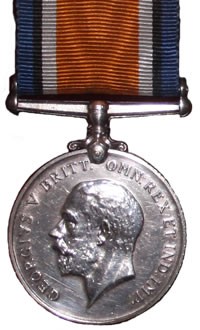
Arthur enlisted with the Royal Marines Light Infantry on 22 November 1902 in London and was sent to Deal to start his service. He served with the Portsmouth Division, service no. PO/12784, and was on board HMS Black Prince when he was killed in action at the Battle of Jutland on 31 May 1916.
His father was sent his 14/15 Star, Victory and War medals and his gratuity, his parents were then living in Glamorgan, Wales. HMS Black Prince was heavily shelled and then exploded and sank with all hands lost.
Remembered on Portsmouth Naval Memorial; and Seafront Memorial, Teignmouth, Devon.
The Royal Marines
In WW1 there were two branches of marines in the Royal Navy, the Royal Marine Artillery and Royal Marine Light Infantry. Units of these forces manned some of the guns on large warships and at the shore-based batteries.
They also took part in other operations on land such as seeking out the enemy and securing ground in advance of the main force.
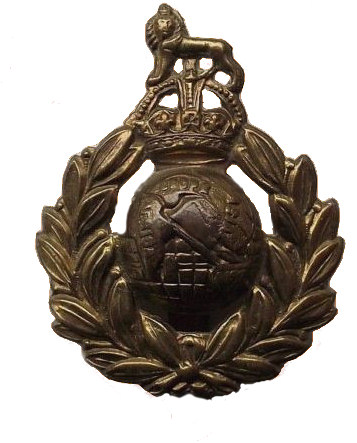 Royal Marines cap badge
Marine Battalions fought at Antwerp in 1914 and at Gallipoli in 1915.
So few men of the Royal Naval Division remained alive by the end of the Gallipoli campaign that it was transferred to the British Army. The Division then fought on the Western Front for the remainder of the war.
Some of the marines continued to serve afloat.
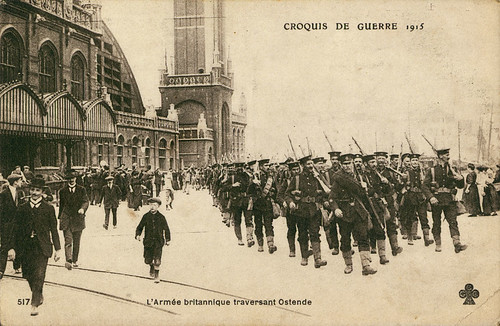 Royal Marine Light Infantry passing through Ostend, Belgium, 1915 (TWAM ref. 5770).
Many of the men had so far experienced the war as infantrymen, fighting with rifles and bayonents.
By 1916 the development of Artillery by both sides meant that few infantry reached the lines of the enemy. Infantry raids had become the exception rather than the rule.
Some of the marines' duties changed and they were intensively trained in new skills with new weapons.
The Royal Marine Light Infantry formed the 190th Machine Gun Company on May 31st 1916.
On the same day 593 of the marines afloat died in the Battle of Jutland.
HMS Black Prince
In May 1916 the Black Prince was part of the Cruiser Squadrons that formed an advance eighteen miles ahead of the rest of the Grand Fleet as it moved towards Jutland.
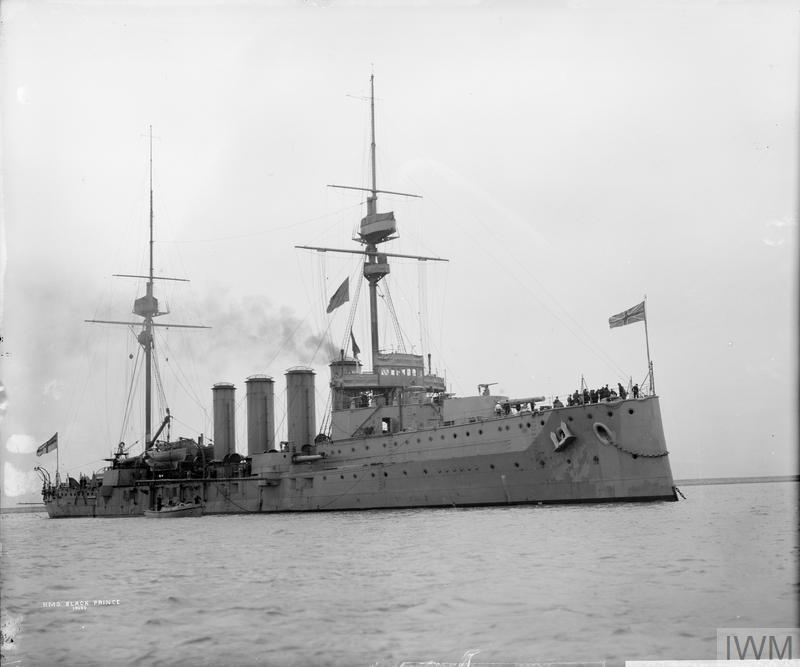 HMS BLACK PRINCE. Sunk by gunfire from German battleships during the night action at Jutland, 31 May 1916. © IWM (Q 38292)
Visibility decreased and the Black Prince lost touch with the others.
Just after midnight she sailed right into the middle of the German fleet. She was picked out by searchlights and fired upon.
She caught fire and exploded after two minutes.
All 857 people on board were lost.
The Battle of Jutland
This was the largest naval battle of the First World War (May 31 - June 1, 1916).
It involved involved 250 Warships and around 100,000 men.
The German and British navies were 10 miles apart and pounded each other with shells for a whole day.
The German High Seas Fleet had hoped to ambush and destroy the British Grand Fleet in the North Sea.
The British were warned by their codebreakers and put two forces to sea early, they lost 14 ships and over 6,000 men in the battle but the fleet was still ready to fight the next day.
Amongst those losses were six men from Teignmouth. Two brothers, Edward and Frederick Meyers, were both stokers aboard HMS Indefatigable; it was Frederick's 23rd birthday. Frank Morrish had just returned from leave, he was chief armourer on HMS Defence. Arthur Kidston and William Mutters were both serving in the Royal Marine Light Infantry; Arthur was on board HMS Black Prince and William on HMS Queen Mary. Seaman Stephen Sienesi died of wounds on board HMS Petard and was buried in Edinburgh.

The Battle ended in a stalemate, both sides claimed victory.
The German navy did not seriously challenge British control of the North Sea during the First World War again after that battle, as a result the British were able to blockade essential supplies from reaching Germany which contributed to Germany losing the war.
Warships of the Grand Fleet in the North Sea. © IWM (Q 68706)
