
Private Albert Charles Kent Dyer
8th Battalion, the Devonshire Regiment
Killed in Action
Date of Birth: 1885
Place of Birth: Teignmouth, Devon
Date of Death: 9 May 1917 aged 32
Buried: Remembered on Arras Memorial; Seafront Memorial, St. Michael’s Church and St. James’ Church Memorial Window, Teignmouth, Devon
Awarded the British War Medal and the Victory Medal
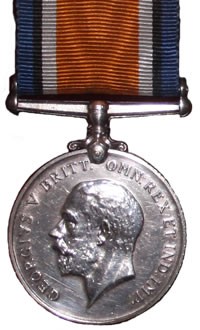
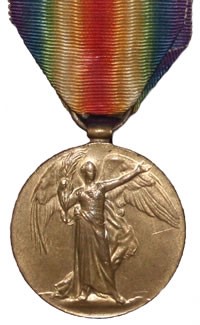
Private Albert Charles Kent Dyer age 32. Known as Charles, he was born Teignmouth 1885, son of Albert James, a butcher, and Charlotte (née Kent) Dyer. In 1891 and 1901 he was living with his family in Hollands Road, and by 1901 he was helping in his father’s business. 1911 showed him living with his sister and brother in law at Grove Avenue; he was working as a postman. The electoral roll of 1913 noted him as a PO worker, and he was lodging at 10 Second Avenue, Teignmouth on his own, the landlord was Mr E H Ford of same address.
Charles previously served with the Devonshire Yeomanry, but was serving with 8th Battalion, Devonshire Regiment, service number 45673, when he was reported wounded and missing, he was later confirmed as killed in action on 9 May 1917. Remembered on Arras Memorial; Seafront Memorial, St. Michael’s Church and St. James’ Church Memorial Window, Teignmouth, Devon.
On 15 June 1917 the Teignmouth Post reported him as wounded; in 3 July edition he was reported as “now missing believed killed. He was well known and popular in the town”.
Total gratuity of £21.12s.0d paid to father, Albert James Dyer, in 1919.
Probate granted to Charles’ father, Albert James Dyer, labourer in 1925, Albert Charles Kent Dyer was listed as living at Adelaide Cottage, Brook Hill, Teignmouth. Total effects amounted to £303.16s.2d. Albert |James is living in Coombe Road with his second wife Ruth.
In May 1917 during the Battle of Arras capturing part of Bullecourt cost the Devonshire 8th and 9th Battallions 382 killed and wounded.
 British troops embussing in Arras to go back for a rest, May 1917. The buses being used are London 'B' type buses, some 1,300 of which were requisitioned by the army in October 1914 as troop-carriers on the Western Front. John Warwick Brooke.© IWM (Q 5238)
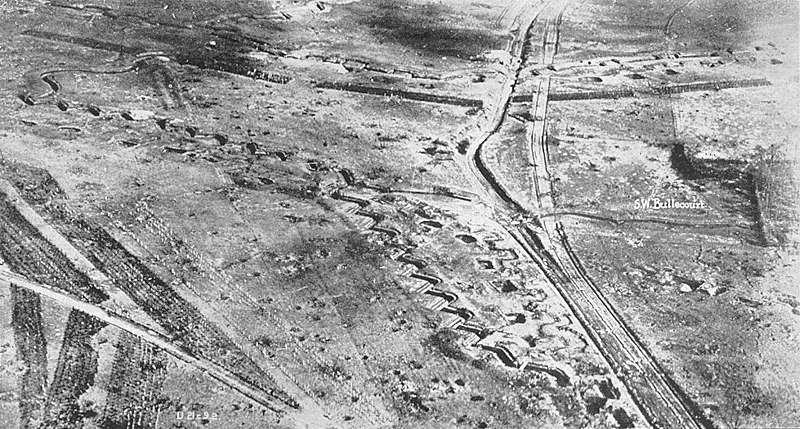 The Hindenberg Line Bullecourt. By Halsey, Francis Whiting, - "The Literary Digest History of the World War", volume V, 1919 p. 384., Public Domain
