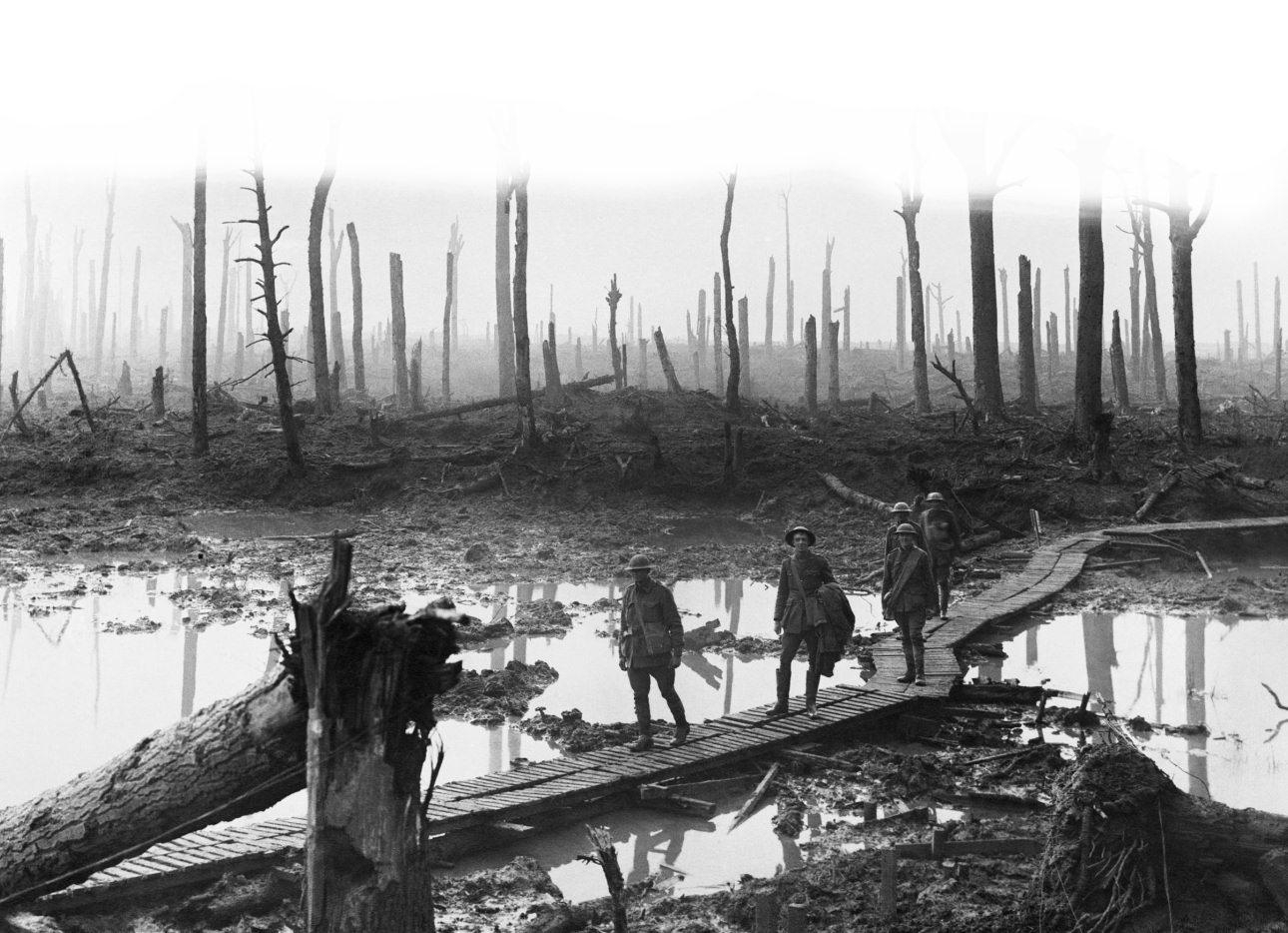
Passchendaele 29 October 1917. Frank Hurley.
Australian War Memorial A.N. E01220

Private George Richard Heath
6th Battalion, Prince Albert’s (Somerset Light Infantry)
Killed in Action
Date of Birth: 1883
Place of Birth: Teignmouth, Devon
Date of Death: 22 August 1917 aged 34
Buried: Remembered on Tyne Cot Memorial; Seafront Memorial and St. James' Church Memorial Window, Teignmouth, Devon.
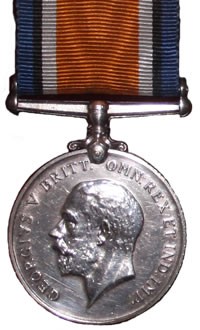
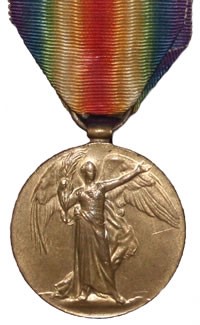
Awarded the British War Medal and the Victory Medal
Private George Richard Heath age 34.
Born Teignmouth in 1883, the son of John, a carpenter, and Mary Heath.
In 1891 George was living with his parents and 7 siblings in Brunswick Street.
The 1901 census shows him living with his family at Carlton Place and working as a gardener.
He married Ada May Towell in 1906 and in 1911 was living with her and their three children at 16 Bickford's Lane.
 Somerset Light Infantry Cap Badge.
George enlisted at Newton Abbot and served with the Devonshire Regiment, service number 25059 and was transferred to 6th Battalion, Somerset Light Infantry, service number 27440 .
He was killed in action at the 3rd Battle of Ypres on 22 August 1917.
Gratuity of £7.13s.0d paid to his widow Ada May Heath in 1919 and 1921.
Remembered on Tyne Cot Memorial; Seafront Memorial and St. James' Church Memorial Window, Teignmouth, Devon.
"Mrs Heath of Bickford's Lane on Saturday received news from WO that her husband Pte George Heath of Somerset Light Infantry was killed, he was a sniper and prior to joining army was a gardener at Buckeridge Towers. Leaves a widow and 6 children. Was a member of the bagatelle team."
Teignmouth Post
7 September 1917
The Third Battle of Ypres (Passchendaele)
This was one of the bloodiest campaigns fought on the Western Front.
It was made up of a series of battles and attacks between 31 July to 10 November 1917.
It started to rain heavily during the afternoon of the first day of the battle.
The rain then continued, quickly turning the war-torn landscape into a quagmire, thousands of men and animals drowned in the mud.
I died in hell, They called it Passchendaele.
Soldier poet Siegfried Sassoon
Hundreds of thousands of men died on both sides.
The bodies of more than 35,000 men from the battle were never found, they were lost in the mud.