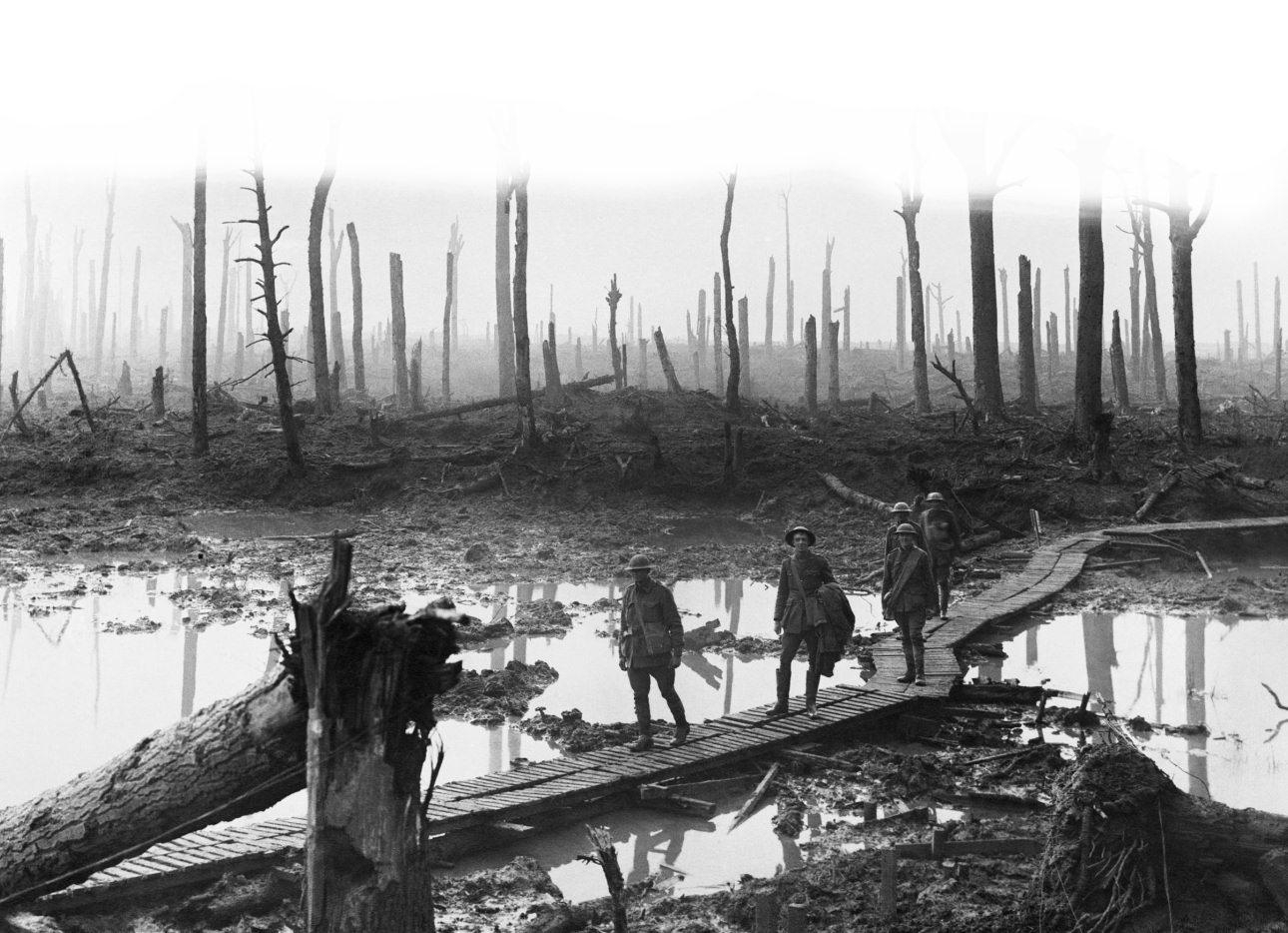
Passchendaele 29 October 1917. Frank Hurley.
Australian War Memorial A.N. E01220

Private Leonard Reggie Stephens
15th Battalion, Royal Warwickshire Regiment
Killed in Action
Date of Birth: 1897
Place of Birth: Dawlish, Devon
Date of Death: 26 October 1917
Buried: Tyne Cot Cemetery, Belgium. Remembered on Cofton War Memorial
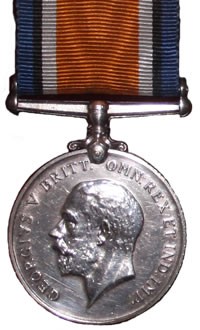
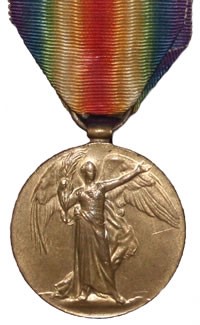
Awarded the British War Medal and the Victory Medal
Private Leonard Reggie Stephens age 21.
Born in Dawlish, Devon 1897, he was the second son of William, a gardener, and Emily Stephens.
In 1901 the family were living at Cockwood . William died in 1909, and in the 1911 census William is living with his mother, a widow, and his brother at Southbrook, Starcross; his mother is working as housekeeper to Edward Wollacot a retired fur merchant.
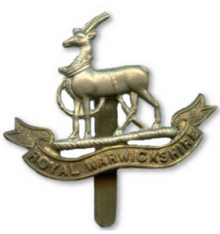 Royal Warwickshire Regiment cap badge
Leonard enlisted at Newton Abbot and was serving with 15th Battalion, Royal Warwick Regiment, service number 202040, when he was killed in action at Passchendaele on 26 October 1917, the record notes he was identified by his ID disc.
The gratuity paid to his mother was for the amount of £5.17s.9p and to his brother William an amount of £5.17s.8d. A war gratuity of £6 was also paid to his mother who was living at 11 Parson Street, Teignmouth.
Reburied at Tyne Cot Cemetery, Belgium. Remembered on Cofton War Memorial
"W E Stephens of Starcross of Warwickshire Regt reported wounded" - 20 November 1917 - Western Times, (this is his brother, William Edwin Stephens).
 Memorial in Cofton, Devon
The Third Battle of Ypres (Passchendaele)
This was one of the bloodiest campaigns fought on the Western Front.
It was made up of a series of battles and attacks between 31 July to 10 November 1917.
It started to rain heavily during the afternoon of the first day of the battle.
The rain then continued, quickly turning the war-torn landscape into a quagmire, thousands of men and animals drowned in the mud.
I died in hell, They called it Passchendaele.
Soldier poet Siegfried Sassoon
Hundreds of thousands of men died on both sides.
The bodies of more than 35,000 men from the battle were never found, they were lost in the mud.