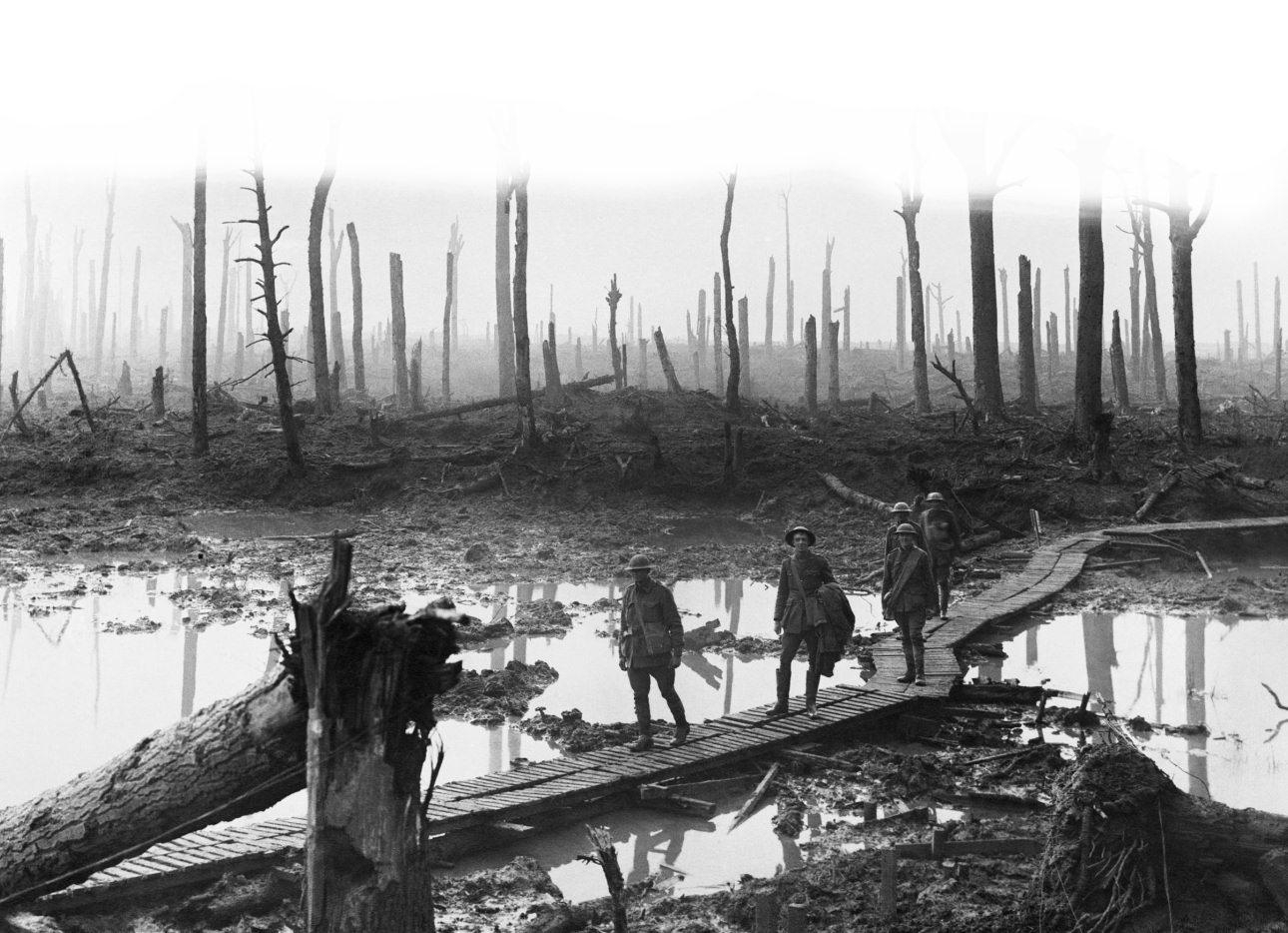
Passchendaele 29 October 1917. Frank Hurley.
Australian War Memorial A.N. E01220

Private James George Evans
2nd Royal Marine Battalion, Royal Naval Division
Died of Wounds
Date of Birth: 1885
Place of Birth: Teignmouth, Devon
Date of Death: Died 28 October 1917 aged 32
Buried: Dozinghem Military Cemetery, Popperinghe. Remembered on Seafront Memorial and St. James’ Church Memorial Window, Teignmouth, Devon
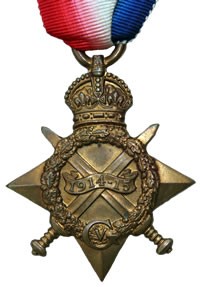
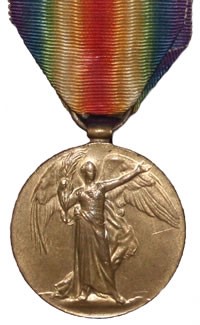
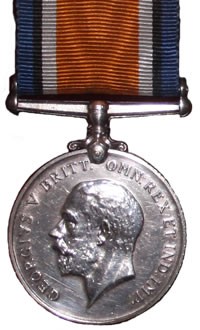
Awarded the 1914-15 Star, the British War Medal and the Victory Medal
Private James George Evans age 32. Born in Teignmouth, Devon on 9 April 1885 and baptised on 27 May, his parents were Frederick and Charlotte Evans, Daimonds Lane.
1901 showed him living with his parents and brother and working as a gardener. In 1910 he married Florrie Turvey, and was shown on 1911 census living with her and twin baby daughters in St. Sidwells Avenue, Exeter, he was working as a plumber.
James first attested for general service on 21 November 1915 and placed on army reserves, he then was called up on 16 March 1917 and was drafted to Royal Marine Depot in Deal, where he embarked HMS Victory on 24 May as part of Royal Marine Brigade. Landing in France as part of the BEF on 6 August 1917, he joined 10th Entrenching Battalion on 28 August 1917. He was posted to 2nd Royal Marine Battalion, Royal Naval Division, on 4 October 1917, service no. PLY/2013.
James was wounded at Passchendaele on 26 October 1917 and died in 61st Casualty Clearing Station on 28 October 1917. Buried in Dozinghem Military Cemetery, Popperinghe. Remembered on Seafront Memorial and St. James’ Church Memorial Window, Teignmouth.
“On Sunday morning news that Pte Jim Evans, youngest son of late Mr F Evans and Mrs Evans of Daimonds Lane died from wounds received. Earlier last week had learnt he was severely wounded, resided at Exeter with wife and two children.” Teignmouth Post - 9 November.
The Third Battle of Ypres (Passchendaele)
This was one of the bloodiest campaigns fought on the Western Front.
It was made up of a series of battles and attacks between 31 July to 10 November 1917.
It started to rain heavily during the afternoon of the first day of the battle.
The rain then continued, quickly turning the war-torn landscape into a quagmire, thousands of men and animals drowned in the mud.
I died in hell, They called it Passchendaele.
Soldier poet Siegfried Sassoon
Hundreds of thousands of men died on both sides.
The bodies of more than 35,000 men from the battle were never found, they were lost in the mud.