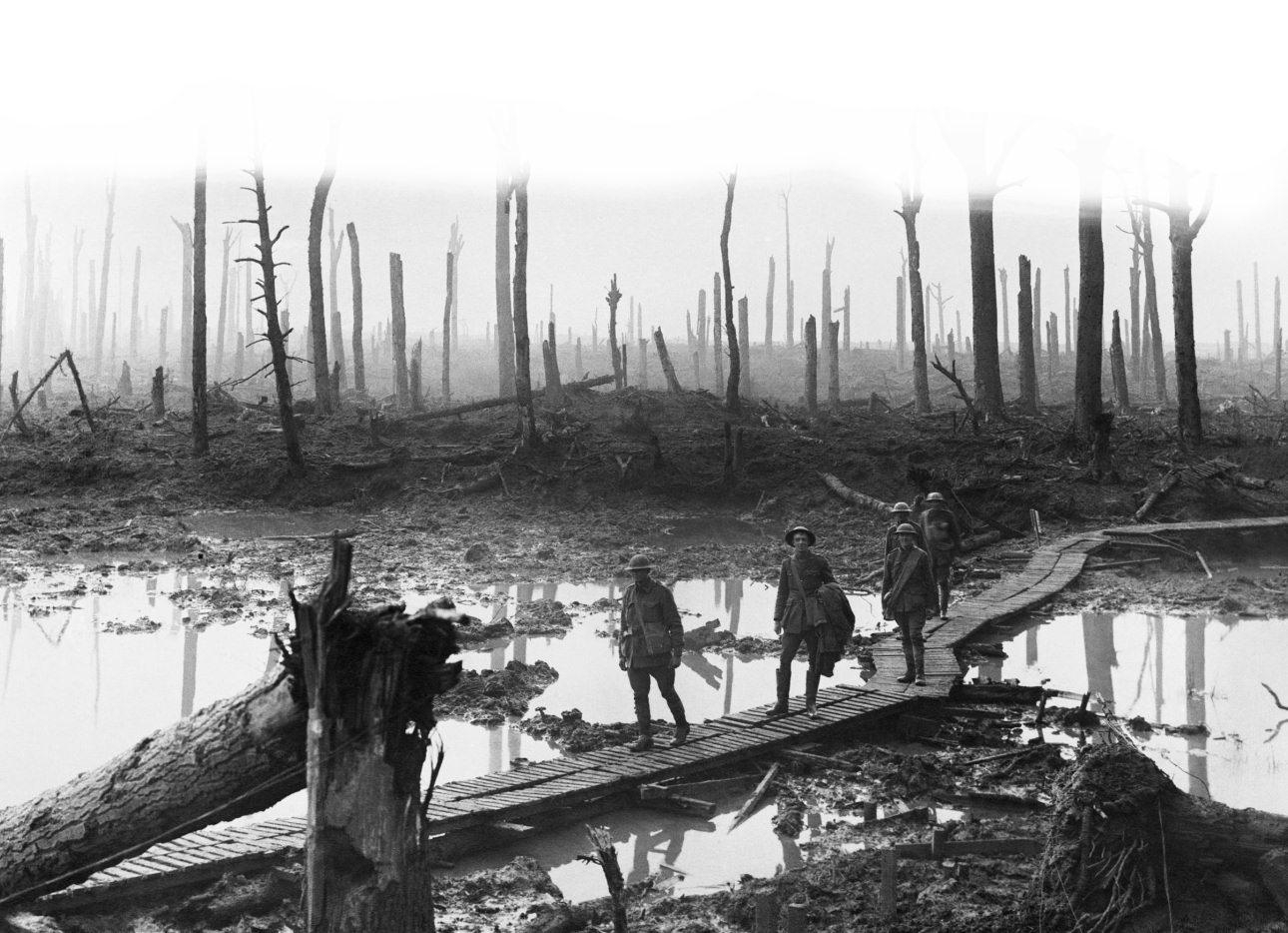
Passchendaele 29 October 1917. Frank Hurley.
Australian War Memorial A.N. E01220

Sergeant William Henry Christopher Johns
8th Battalion, Kings Royal Rifle Corps
Died of Wounds
Date of Birth: 3 March 1896
Place of Birth: Teignmouth, Devon
Date of Death: 15 October 1917 aged 21
Buried: Lijssenthoek Military Cemetery, Belgium. Remembered on Seafront Memorial and St. James’ Church Memorial Window and on the family gravestone in the town cemetery Teignmouth, Devon
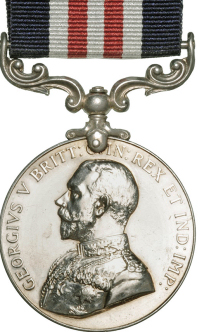
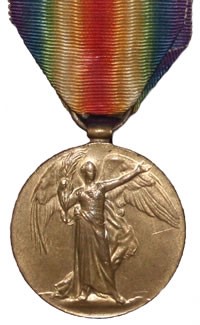
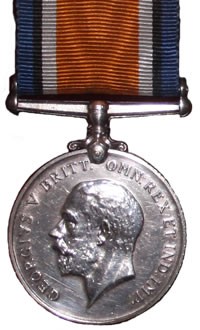
Awarded the Military Medal, the British War medal and the Victory Medal
Sergeant William Henry Christopher Johns, MM, age 21.
Known as "Harry" Johns.
Born on 11 February 1896 and baptised at West Teignmouth on 3 March 1896, he was the elder son of William Henry, a confectioner, and Mary Elizabeth Johns, 2 New Quay Road, Teignmouth .
In 1901 the family were living at 18 Grove Avenue and in 1911 at 4 Exeter Road. Harry was working as a porter. He married Violet Kate Brown in 1914, they had one child.
Enlisting at Exeter early in the war he was serving with 8th Battalion, Kings Royal Rifle Corps, and service number 11532. William was promoted to Sergeant and awarded the Military Medal in the field in September 1917. Just weeks later he was wounded at the 1st battle of Passchendaele; he died at No. 3 Canadian Casualty Clearing Station at Remy Siding on 15 October 1917.
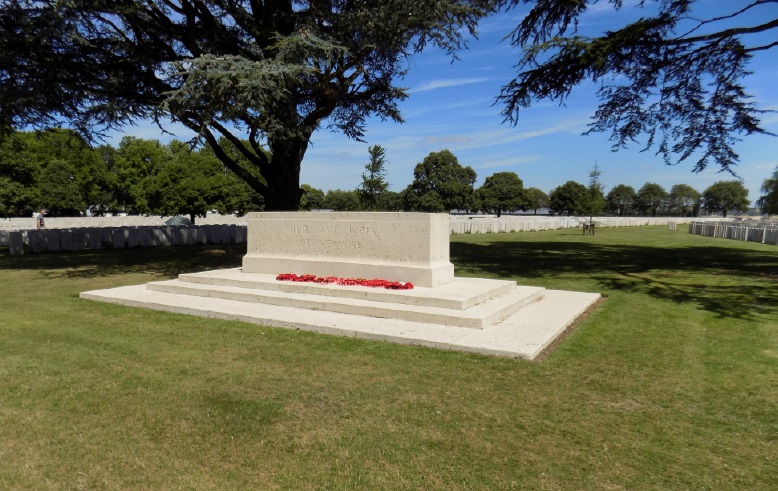 Lijssenthoek Cemetery
Buried in Lijssenthoek Military Cemetery, Belgium. Remembered on Seafront Memorial and St. James’ Church Memorial Window, Teignmouth, Devon. Grave inscription reads: “Ever in our Memory”.
 The family gravestone in Teignmouth Cemetery
Harry is also remembered on the headstone of the family grave in Teignmouth Cemetery.
His inscription reads:
Erected in memory of Harry Johns,
Kings Serg.M.M., K.R.R.C.
Killed in action
Oct 15th 1917
 Harry John's family gravestone in Teignmouth Cemetery
A payment of £13.4s.4d was paid to his widow in 1918 followed by gratuity payment of £21.10s in 1920.
 Western times Clippping 19 October 1917
“Mr and Mrs H Johns of Exeter Road received on Tuesday last a telegram intimating their son was dangerously ill in a Canadian casualty clearing station in France from gunshot wounds and fractured skull, permission to visit was not granted.” Teignmouth Post - 19 October.
An Obituary for Sergeant Johns on 26 October showed that he had joined early in the war, and was married with one child; his wife lived with her parents, Mr & Mrs Brown at The Grove entrance lodge. William was a waiter at the Royal Hotel prior to war.
The Chaplain who attended him wrote “your husband was brought to us in the night of 13-14th very badly wounded in the head and unconscious. He passed quietly away.” - Teignmouth Post - 26 October 1917
 Military Medal award record
The Third Battle of Ypres (Passchendaele)
This was one of the bloodiest campaigns fought on the Western Front.
It was made up of a series of battles and attacks between 31 July to 10 November 1917.
It started to rain heavily during the afternoon of the first day of the battle.
The rain then continued, quickly turning the war-torn landscape into a quagmire, thousands of men and animals drowned in the mud.
I died in hell, They called it Passchendaele.
Soldier poet Siegfried Sassoon
Hundreds of thousands of men died on both sides.
The bodies of more than 35,000 men from the battle were never found, they were lost in the mud.