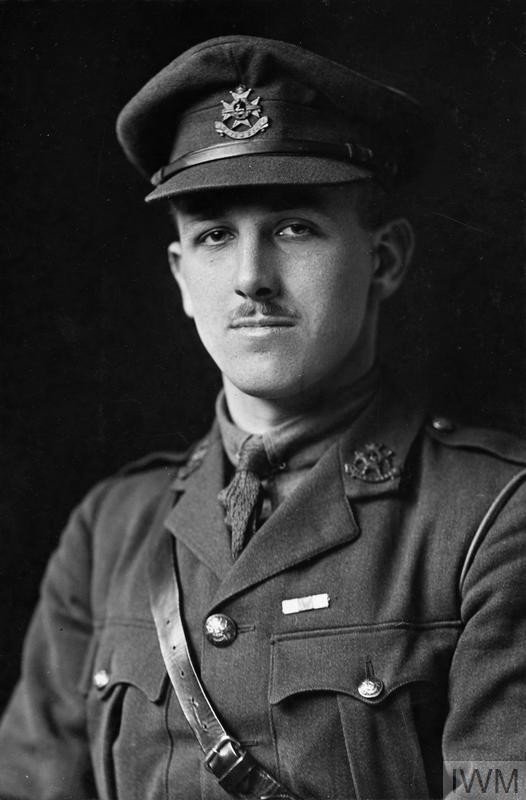
Captain Marmaduke Marshall Shaw, MC
3rd Battalion (Reserve), attached 2nd Battalion, Sherwood Foresters (Notts & Derby Regiment)
Killed in Action
Date of Birth: 27 May 1896
Place of Birth: Halburton, Devon
Date of Death: 21 March 1918 aged 21
Buried: in Queant Road Cemetery, Buissy; remembered on Seafront Memorial and St. Michael's Church, Teignmouth, Devon
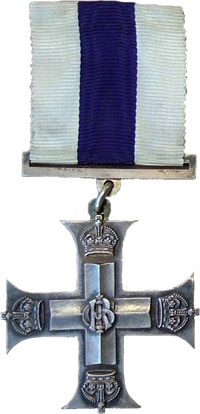
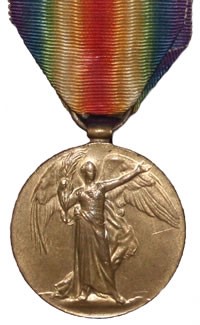
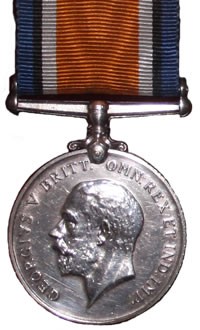
Awarded the Military Cross, the British war Medal and the Victory Medal
Captain Marmaduke Marshall Shaw, MC, age 21.
Born 27 May 1896 at Halburton and baptised on 10 July, he was the youngest son of Reverend Marmaduke Spicer Shaw and Sophie Elsie Shaw (née Marshall).
In 1901 he was shown on the census living with his family at Sydenham Damerell, Tavistock. On the 1911 census he was a boarder at Exeter School.
He was gazetted on 26 June 1915 from Cadet to 2nd Lieutenant with 3rd Battalion, Sherwood Foresters (Notts & Derby Regiment).
Marmaduke arrived in France on 25 July 1916.
His medical record showed him travelling on No. 31 Ambulance Train to Boulogne on 20 November 1916, he was suffering from pyrexia (raised body temperature; fever.).
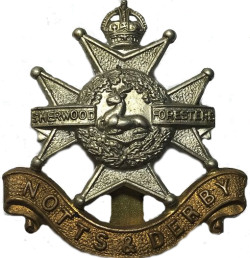 Sherwood Foresters Cap Badge
Serving with his regiment Marmaduke was attached to 2nd Battalion, Sherwood Foresters (Notts & Derby Regiment) when he was killed in action at Lagnicourt during the German attack on 21 March 1918.
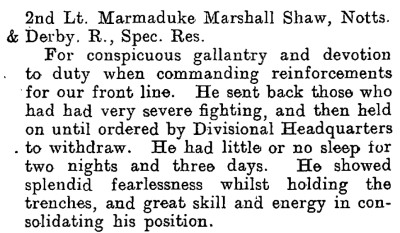 Clipping from the London Gazette 17 September 1917
Buried in Queant Road Cemetery, Buissy; remembered on Seafront Memorial and St. Michael's Church, Teignmouth, Devon.
Originally buried as 'unknown British Officer', his body was exhumed and reburied, identified by stars and buttons in 1921.
Grave Inscription reads: "Steadfast in the Faith" (submitted by his mother then living in Moreton Hampstead).
His elder brother, Francis, was killed on 5 July 1916 also serving with this regiment. (No apparent connection with Teignmouth has been found, but it was previously believed to be through his father's church connection.)
2nd Lieutenant Marmaduke Marshall, Notts. & Derby, R., Spec. Res.
For gallantry and devotion to duty at Lens on 1st July 1917.
When commanding reinforcements for our front line he sent back those who had had very severe fighting, and then held on until ordered by Divisional Headquarters to withdraw.
He had little or no sleep for two nights and three days. He showed splendid fearlessness whilst holding the trenches, and great skill and energy in consolidating his position.
Notice in the London Gazette of the award of the M.C.
17 September, 1917
