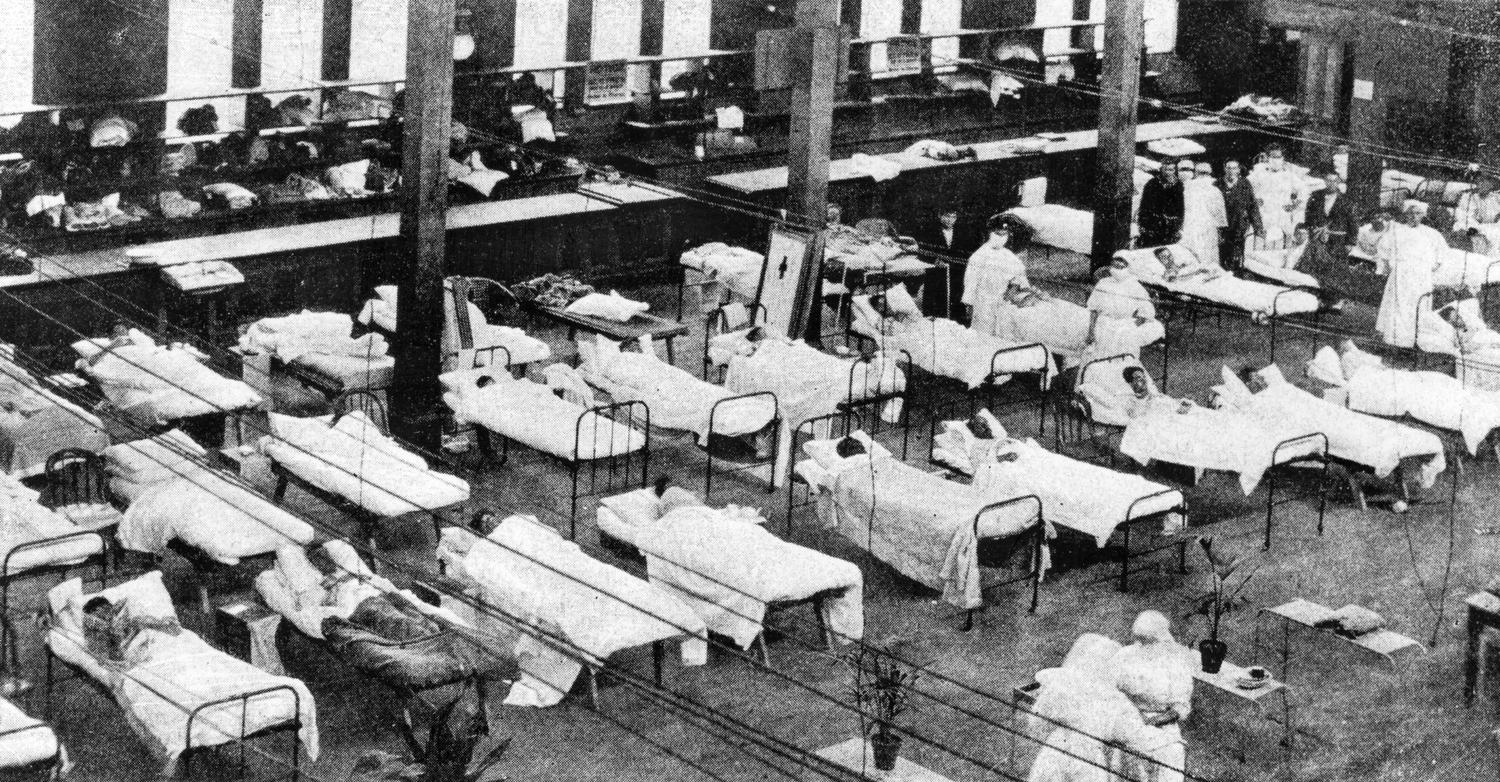
Hospital Beds in a Museum building
1919 Influenza Pandemic
Museums Victoria
Captain Herbert "Harry" Deverell Meyers
Army Service Corps (ASC)
Died of Influenza
Date of Birth: 1881
Place of Birth: Dublin, Republic of Ireland
Date of Death: 30 October 1918 aged 38
Buried: Mount Jerome Cemetery, Dublin; remembered on Seafront Memorial, Teignmouth, Devon.
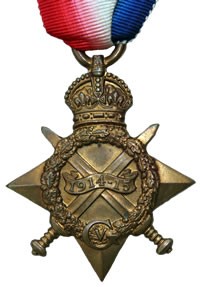
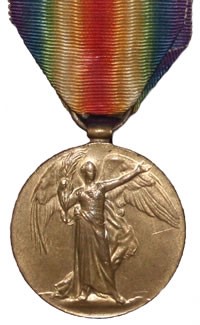
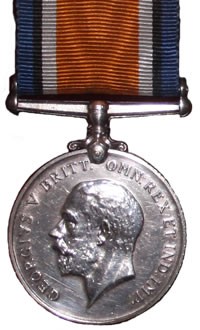
Awarded the 1914-15 Star, the British War Medal and the Victory Medal
Captain Herbert "Harry" Deverell Meyers age 38.
Born in Dublin around 1881, the son of John Charles and Lucinda (formerly Deverell) Meyers.
He was shown on the 1901 and 1911 census living at Garville Terrace, Rathmines & Rathgar West, Dublin, Ireland, with his parents and siblings.
His father was a coal merchant and Harry and his brothers were working in the family business. The house was listed as first class and he was registered as Church of Ireland.
No connection with Teignmouth can be found, but this is the only record for H Meyers who was killed in WW1.
Harry joined the army; later being gazetted 2nd Lieutenant (Temp) on 25 March 1915 with Royal Army Service Corps; he disembarked in France on 5 April 1915.
Harry died on 30 October 1918 at the The King George V. Hospital, Cabra, Dublin and is buried in Mount Jerome Cemetery, Dublin; remembered on Seafront Memorial, Teignmouth, Devon.
(A possible earlier suggestion was that his wife had a connection as there is a marriage registration for Harry Meyers and Edith A. Martin in Quarter 4, 1914, at Newton Abbott. However his medal card issued in 1922 shows that his medals were sent to his father as next of kin.)
Influenza in the First World War
The influenza pandemic January 1918 – December 1920 (known as Spanish flu), resulted in the deaths of 50 - 100 million people around the world, more than three times the number of people who died in the fighting during WW1.
Many of the men who had served in the front line on both sides had lung damage due to having been exposed to poisonous gases and already had compromised immune systems, additionally both sides were blocking each other's trade routes, causing severe food rationing. The lack of nourishment and vitamins made people more vulnerable to the virus and contributed to the severity of the pandemic.
Investigative work by virologists identified one of the camps on the Western Front as being at the centre of the flu outbreak.
Troops deployed around the world spread the virus.
The Armistice on 11 November 1918 gave the virus an opportunity to spread further, as the soldiers went home carrying it with them.
People struck with illness often died within hours.
One physician wrote that patients with seemingly ordinary influenza would rapidly "develop the most viscous type of pneumonia that has ever been seen" and later when cyanosis appeared in the patients, "it is simply a struggle for air until they suffocate," (Grist, 1979).
Many medical personel died having contracted the virus whilst caring for their patients.
Warehouses, exhibition halls and other large spaces were turned into hospitals, as was the Museum Exhibition Hall shown below.