
Sapper James Francis Devine
Inland Water Transport Division, Royal Engineers
Died of pneumonia following influenza
Date of Birth: 1889
Place of Birth: Youghill, County Cork, Ireland
Date of Death: 30 October 1918 aged 29
Buried: Les Baraques Military Cemetery, Sangatte. Remembered on Seafront Memorial and St. James’ Church Memorial Window, Teignmouth, Devon.
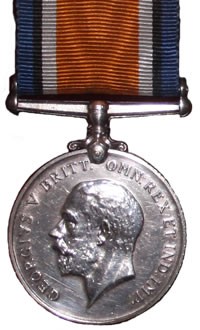
Awarded the 1914 Star, the British War Medal and the Victory Medal
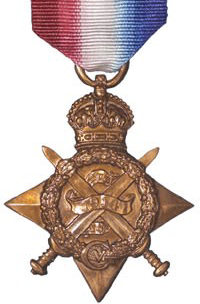
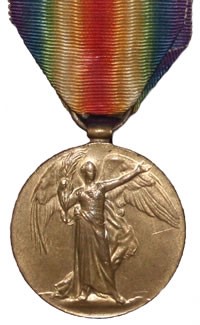
Sapper James Francis Devine age 28.
Born in 1889 at Youghal, Co. Cork, son of Thomas Devine.
He married Alice Roff in Teignmouth on 10 January 1909 and they had three children.
In 1911 Alice and her daughter were living at 14 Ponsford Court, Teignmouth.
James was working as a seaman and they moved to Liverpool.
Following his enlistment in 1915 Alice and her three children moved back to Teignmouth, eventually living at 25 Coombe Road until 1920. Alice and the children later moved to Kent.
 Royal Engineers
Cap Badge
James was working as a seaman when he enlisted in Liverpool and attested as a Sapper on 18 October 1915 with Royal Engineers. He embarked for France on 4 March 1916 with the Inland Water Transport Section, service number WR/501471.
James died in No. 30 Military Hospital, Calais, from pneumonia following influenza on 30 October 1918. Buried in Les Baraques Military Cemetery, Sangatte. Remembered on Seafront Memorial and St. James’ Church Memorial Window, Teignmouth, Devon.
Grave inscription reads: “In Loving Memory of Dear Daddy from His Sorrowing Wife and Children”.
The Inland Water Transport Section
In the Great War, hospital barges transported wounded men from the battle areas of the Western Front.
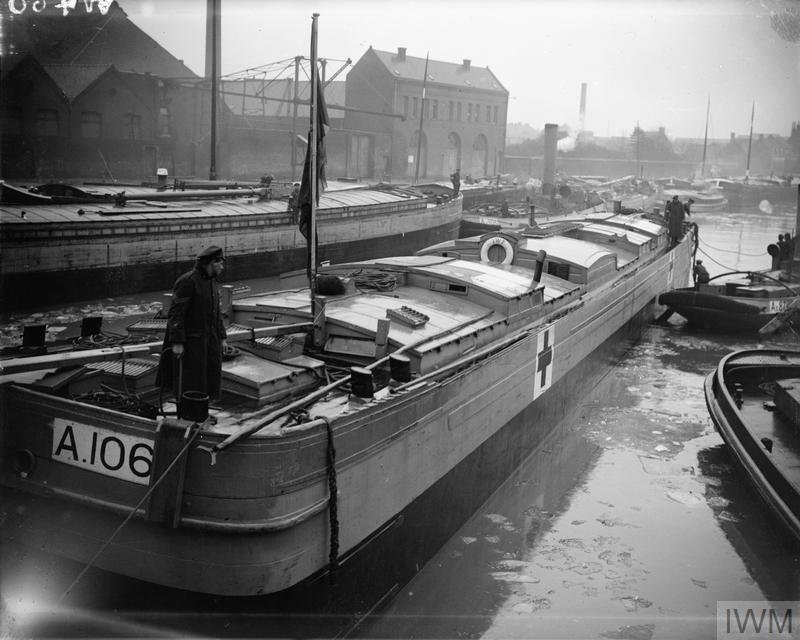 A tug towing a hospital barge down a canal in north west France. © IWM (Q 33444)
The Inland Water Transport Division (IWDT) of the Royal Engineers was responsible for the navigating these hospital barges along the waterways of northern France.
More than 70,000 casualties had been carried to safety by barges by the end of the war.
Sapper James Francis Devine of Teignmouth was with the Inland water Transport Section.
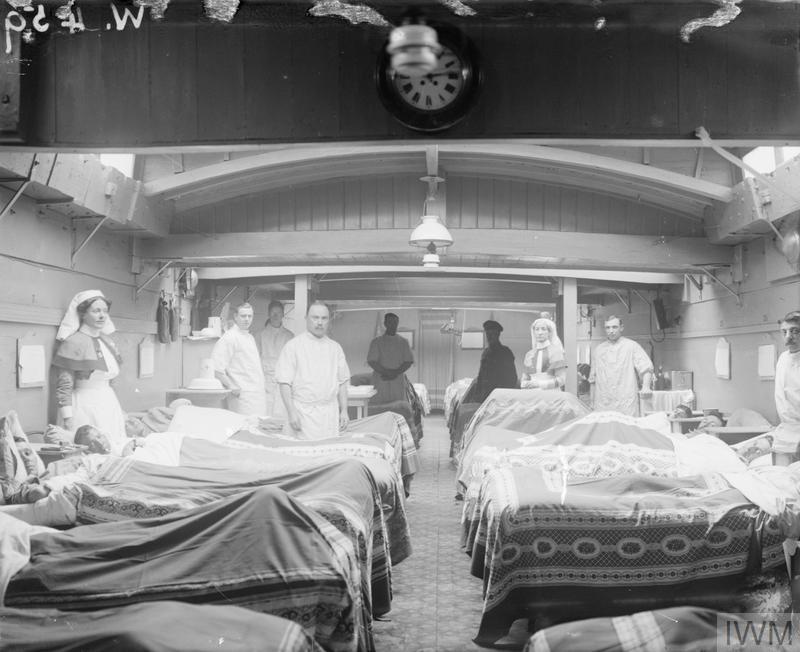 The interior of a hospital barge showing how the cargo hold has been converted into a functioning ward. © IWM (Q 33443)
In the war *diary of Queen Alexandra's Imperial Military Nursing Service Reserve (QAIMNSR) staff nurse Miss Mildred Ree wrote of her time at No. 4 Ambulance Flotilla Barge 192 during the Battle of The Somme.
She described nursing up to 300 casualties a trip on journeys to hospital trains that could take two days to complete.
 The interior of a coach of a British hospital train showing cots arranged down either side of the carriage leaving a wide central passageway in which the medical staff could work. © IWM (Q 33447)
For many of the casualties the next part of the journey would be by hospital train.
