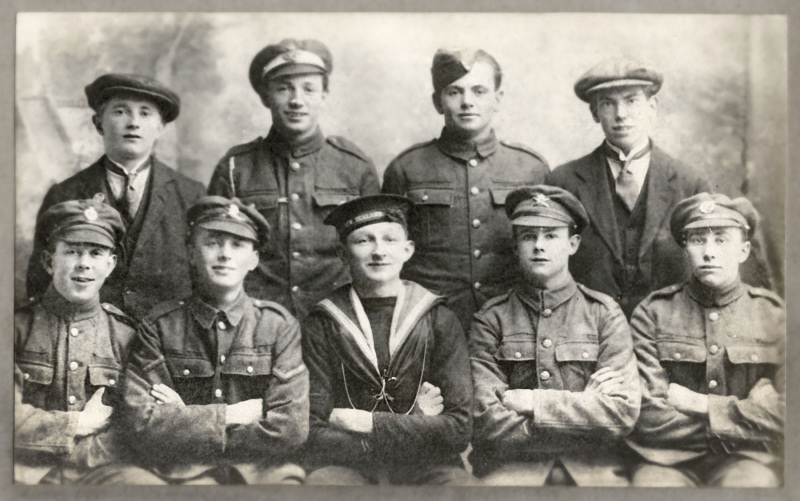
 Grew up together in Teignmouth, home on leave.
L to R, Back row: Mr Jarvis, Hughie Turner, John Scown, Mr Vicary
Front row: Percy Scagell, unidentified man, Cecil (Sid) Hatherley, Mike Cload and Jimmy Salter
1914
28th
5th
28th
1st
2nd
3rd
4th
German troops began the Siege of Liege which lasted until 16th August.
5th
6th
7th
7th
8th
11th
12th
14th
16th
17th
20th
21st
23rd
24th
26th
27th
28th
29th
30th
1st
2nd
4th
7th
9th
13th

20th
22nd
25th
28th
1st
10th
16th

19th
22nd
1st
Ordinary Seaman Robert Kent aged 18, Stoker 1st Class Alfred Parker, age 30 and Stoker 1st Class John William James Russell age 23, (all from Teignmouth) were killed in action when the HMS Monmouth sank.
2nd
3rd
5th
11th

1st
3rd
8th
10th
16th
17th
20th
22nd
24th
25th
1915
2nd
14th
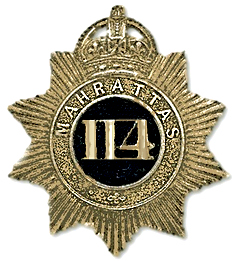
Lieutenant Maynard Henry Crawford Conybeare served in the Arbor Expedition in Assam on the North-Eastern Frontier of India in the 114th Mahrattas, Indian Army, 1911 - 1912. At the outbreak of WW1 he was invalided out and died three months later at the family home, Platway, Shaldon.
19th

15 year old Drummer Reginald James Quartly, 5th Reserve Battalion, the Coldstream Guards, was stationed in London when he died on 18 January 1915.
19th
24th
31st
4th
11th
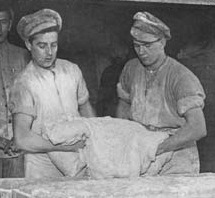
Before the war Private Reginald Hore was working as a baker at 40, The Strand, Teignmouth. When he enlisted in 1915 he found himself in the Army bakery.
Posted to Aldershot on 7 February, he died of bronchitis on 11 February 1915.
14th
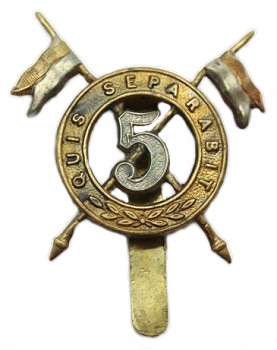
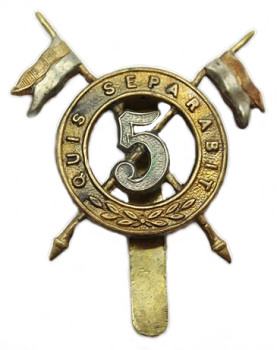
Before the war, Farrier Quartermaster Serjeant Albert Russell of the 5th Royal Irish Lancers served in India and Afghanistan. In 1914 he was sent to Bulford Camp in Wiltshire to work with the Army Veterinary Corps,. He was taken ill with bronchitis after learning the news of his two sons’ death and imprisonment, he died soon after.
17th
 Royal Army Medical Corps Cap Badge © IWM (INS 8067)
The 1st Wessex Field Ambulance lost their first man when Private James Pedrick of Teignmouth contracted meningitis whilst treating a patient and died in the hospital at St Omer on 17 February 1915.
19th
20th
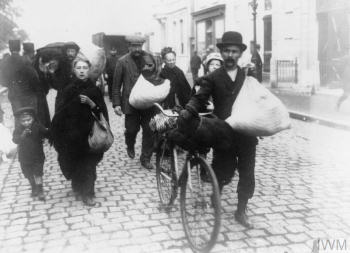 Belgian Refugees Leaving Antwerp
© IWM (HU 52449)A representative from the Central War Refugee Committee visited Teignmouth.
A list was started to receive the names of those desirous of boarding the refugees. After the first day almost 80 applications had been received in Teignmouth and 120 in Shaldon. It was anticipated that Teignmouth and Shaldon would receive 250 refugees.

10th
10th
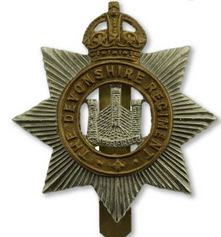 Devonshire Regiment Cap Badge
Sergeant Wilfred Henry Denham of the 2nd Battalion, Devonshire Regiment served in Egypt and Malta before WW1. The Battalion landed in France on 6 November 1914.
Reaching the Front by mid-November it was during a heavy attack on the German lines at Neuve Chappelle that Wilfred was killed in action
12th
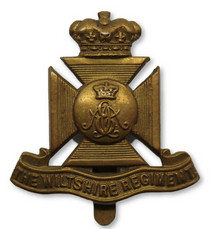 Wiltshire Regiment
Cap Badge
Lance Sergeant Herbert George Pond, age 26, 1st Battalion, Wiltshire Regiment was an improver gas engineer before the war, he died at Neuve Chapelle on the Western Front with no known grave.
12th

Second Lieutenant Philip Ormiston Hodgson was only at the front for 3 weeks when he gallantly led a charge against a farmhouse held by the enemy with machine guns.
He was 3rd attached 2nd East Lancashire Regiment when he died of wounds received at Neuve Chapelle.
13th
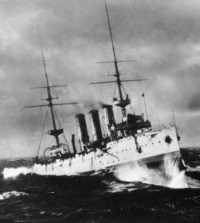 HMS Challenger
Chief Petty Officer Francis J Holmes lived at Exeter street in Teignmouth, his wife, Elizabeth, was a shopkeeper.
As part of the naval reserve during the war he was serving with the Royal Fleet Reserve, Devonport, and took part in the Cameroons Campaign on HMS Challenger.
14th
24th
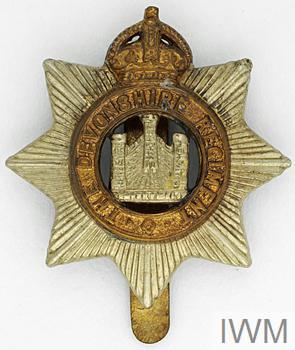 Devonshire Regiment Cap Badge
Private James Henry (Harry) Cornelius 2/5 Battalion, Devonshire Regiment, was a house painter living with his wife Mary and two children at Coombe Vale before the war.
He was one of four brothers who served in the Devons. Harry died at home on 24 March 1915 following an illness which lasted 7 weeks.
26th
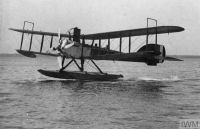 © IWM (Q 66268)
Petty Officer 2nd Class John Henry Betsworth worked at Mothecombe Coastguard Station, Plymouth in 1911, his family later lived at Stanley Street Teignmouth.
In the First World War John worked on the Portland Boom Defence which protected the harbour and seaplane station from marauding enemy submarines.
14th
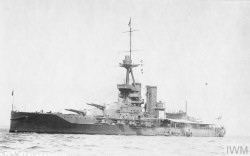
Petty Officer Leonard Arthur Churchill was born in Sun Lane Teignmouth, his father Samuel was the senior postman of the town.
He served in 1911 on HMS Collingwood, one of the first ‘Dreadnought’ class battleships, then later served upon HMS Marlborough in Scapa Flow.
22nd
23rd
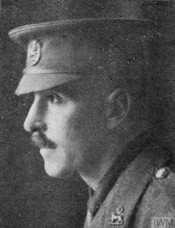 Major Harold Kelway Colston and his men were all found killed amongst the dead Canadians after they had gone to their aid.
It was said "It did not seem possible that any human being could live in the shower of shot and shell which began to play upon the advancing troops. They suffered terrible casualties for a short time; every other man seemed to fall".
25th
1st
 © IWM (HU 127266)Leslie Howard Elliott Wells was gazetted 2nd Lieutenant on 30 March 1915 serving with 3rd Battalion, Lancashire Fusiliers. He was attached to 2nd Battalion and arrived in France in spring 1915.
Leslie died in the 7th General Military Hospital, Boulogne, on 4 May 1915 as a result of gas poisoning on 1st April.
2nd
 AWM A04062Private Thomas Edwin Forward served with 1st Battalion, Australian Infantry under the name of Rowdon.
He fought in Egypt, then later in Gallipoli against the Turks where he was killed in action.
3rd
7th
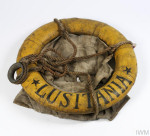 © IWM (MAR 127)On 4 February 1915, Germany declared a war zone around Britain in which any shipping, military or civilian, would be sunk on sight.
The British Liner Lusitania, was torpedoed by a German U-boat on May 7 1915 and sank in 18 minutes, killing 1,200 of almost 2,000 passengers and crew on board.
This helped turn public opinion against Germany particularly in the then-neutral United States as there were 128 American citizens amongst the passengers.
9th
9th
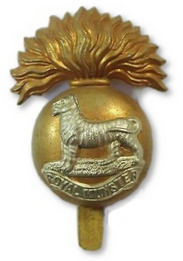 Lieutenant Robert Ormonde Brabazon Pottinger of the 2nd Battalion, Royal Munster Fusiliers was killed in action at the Battle of Aubers Ridge.
The Royal Munster Fusiliers suffered terrible losses, estimates vary, but one account records 800 Munsters went into battle on the 9th May 1915 and only 200 remained to assemble in the evening.
11th
13th
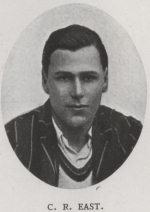 Acting Lance Corporal Cecil Roy East was a well-known Rugby footballer and also controlled the fancy leather department of Messrs. East Kingsey and East before the war.
When the war began in August 1914, Cecil enlisted with the Honourable Artillery Company Infantry. He was promoted to Lance-Corporal, and in November was sent into the trenches.
On May 13 1915, he was killed in action at the foot of Mont Kemmel, near Ypres.
13th
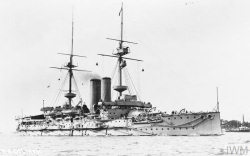 HMS Goliath © IWM (Q 75259)Petty Officer John Henry O’Brien was a Teignmouth Coastguard. He was serving on the battleship HMS Goliath and died when she was struck by 3 torpedoes in quick succession and sank.
"She had heeled back to almost an even keel and was going down bows first with her stem about 40' up in the air. Then she heeled completely over until her bottom was uppermost in the air and slid right under. You could hear the cries of drowning men all around.
16th
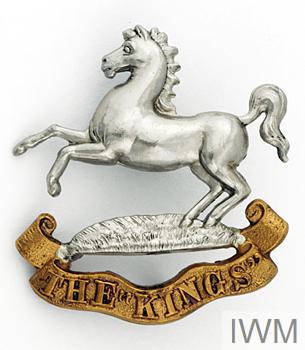 © IWM (INS 5535
Private Reginald Samuel Fenner was born in East Teignmouth. He attested on 29 August 1914 with the 1/5th Battalion, King's (Liverpool Regiment).
He was wounded on 24 April 1915 at Givenchy, then the following month was reported missing on 16 May 1915 at Richebourg d' Avone during the Battle of Festubert. He was later confirmed as killed in action on that day.
16th
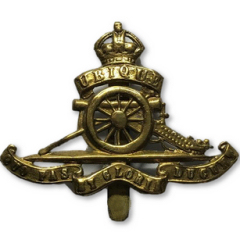
Gunner Henry Richard Noquet of Daimonds Lane Teignmouth was serving with the 113th Battery, Royal Horse Artillery and Royal Field Artillery, when he was struck by a shell and killed on 16 May 1915 at Festubert.
18th
23rd
24th
25th
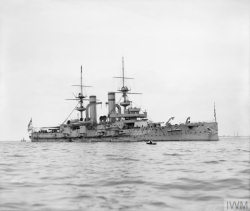 HMS TRIUMPH. © IWM (Q 40369)
Stoker John Driscoll was the son of a Patrick, a Teignmouth Coastguard.
He was killed in action when his ship, HMS Triumph was sunk by a torpedo fired by submarine U-21 near Anzac cove off Gallipoli.
4th
6th
HMS Otranto © National Maritime Museum (CC BY-NC-ND)
Greaser Allan Keith Robathan's family lived at The Mount, Teignmouth.
Aged 23, he served on HMS Otranto, a cruise ship requisitioned for use as an armed Auxiliary Light Cruiser by the Admiralty. She patrolled the Brazilian coast then was a guard ship for the Falkland Islands.
Allan is buried in the Gamboa British Cemetery, Republic of Panama, Central America.
14th
 © IWM HU 122402
Major William Augustus Cumming Fraser, served in India and took part in operations on the North West Frontier and the South African wars.
He was Mentioned in Dispatches.
He died of heatstroke in Macedonia whilst on duty with the Dorsetshire Regiment and is buried in Basra War Cemetery, Iraq.
1st
9th
13th
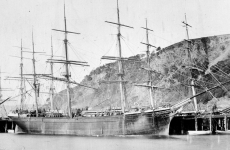 Chief Petty Officer John Frederick Thomas of the 5th (Nelson) Battalion, Royal Naval Division, married Rosaline Lamble of Teignmouth. Her father, Samuel Lamble, was the master of the ship ‘Helen Burns’, a schooner for home trade.
He was reported as missing on the list for 13 July 1915 at Gallipoli, it was later confirmed that he was lying wounded when he was hit in the head and killed outright on 13 July 1915.
15th
 Rifleman James Don was living in Teignmouth when he enlisted.
He went to France in December 1914 with the 4th Battalion, Rifle Brigade, but was serving with the 3rd Battalion, when he was killed in action on 15 July 1915.
22nd
Private Arthur Tibbs was born in Teignmouth. His father Harry was a mason.
He attested with the 8th Service Battalion, Devonshire Regiment. Whilst training at Rushmoor Camp he became ill with a cough which worsened.
He was discharged on 15 April 1915 with tuberculosis of the lungs and died at home on 22 July 1915 aged 20.
25th
26th
© IWM (INS 5535Major Hugh Elliot, went to the front in May 1914 as second-in-command of the 11th (Pioneer) Battalion of the King's (Liverpool Regiment).
He was killed at Ypres on 26 July 1916.
His son Lieutenant Hugh Elliot died of dysentry in Salonika in 1916..
31st
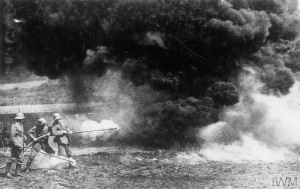 German flame throwers. © IWM (Q 41844)Sergeant Martin Orme Bowman was born in Teignmouth. He was killed in action at Hooge in Flanders.
"the Germans tried to bomb us out of the two trenches leading from us to them.. The artillery on both sides opened rapid fire, the din was awful. The Germans then used liquid fire but fortunately failed to get any into the trenches. Our men were dropping in all directions.. We had no food or water for forty-eight hours."
5th
6th
26th
 In 1909 Sub-Lieutenant Hugh Alexander Massey sailed to Canada wife his wife. They lived there until war broke out. Then Hugh enlisted, and was returned to Britain.
He took part in the Gallipoli Campaign serving with the 6th (Howe) Battalion, Royal Naval Division.
On 22 August 1915 he saw a machine gun lying in front of the Turkish trenches and, tried to capture it before the Turks could reach it. In doing so he was wounded in the thigh. He died of the wound.
September 15th, 1915
The school opened with 78 children including Belgian children previously attending local schools in Shaldon and Teignmouth.
1st
15th
25th
25th
Private Alfred Charles Richards lived with his family at Terra Nova Place, Teignmouth working as an apprentice housepainter.
He was serving with the 8th Battalion, Devonshire Regiment, the men had only a very brief experience of trench warfare when the British Army launched a massed attack against the German defences, this was later to be known as the Battle of Loos. Both sides used poison gas as a weapon.
Alfred was killed in action aged 21.
25th
Lance Corporal William George Smith 8th Battalion Devonshire Regiment was killed in action during the Battle of Loos.
'The gas hung in a thick pall over everything, and it was impossible to see more than ten yards. In vain I looked for my landmarks in the German line, to guide me to the right spot, but I could not see through the gas.'
25th
Sergeant George Austin Burt, 8th (Service Battalion), Devonshire Regiment was born in Teignmouth.
George was killed in action on 25 September 1915 at the Battle of Loos.
The 8th and 9th Devons were battalions with 1000 men in each unit. In a single day they had more than 1000 casualities and 500 men died or went missing.
5th
Private Ernest Edgar Gilpin was working as a goldsmith/jeweller with his parents at their shop, 26 Regent Street, Teignmouth before the war.
He had also been a 1st Rifle Volunteer for 17 years and joined up with 4th Battalion, Devonshire Regiment at the outbreak of war.
Ernest was serving in Exeter; he died in the VAD Temporary Hospital, Exeter
7th
12th
 Edith Louisa Cavell (1865 – 1915) was a British nurse.
She saved the lives of soldiers from both sides without discrimination and in helped some 200 Russian, French and British soldiers escape from German-occupied Belgium during the war, for which she was arrested, accused of treason, then shot by a German firing squad.
The night before her execution, she said, "Patriotism is not enough. I must have no hatred or bitterness towards anyone."
15th
14th
Acting Corporal Thomas Edward Simon served with the 9th Battalion, Devonshire Regiment.
Thomas's brother John lived in Bitton Avenue, Teignmouth.
Thomas died of heart failure a month after the Battle of Loos.. What was left of the 9th Battalion was at Givenchy.
17th
22nd
19th
23rd
29th
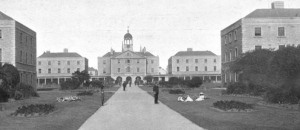 Stonehouse RN Hospital
Stoker (1st Class) Thomas William Wilson served at HMS Vivid, the shore-based naval base at Devonport, he was 39 years old, had previously retired and was on the Royal Naval Reserve,
He died of appendicitis at the RN Hospital, Stonehouse, Devonport, on 29 December 1915.
1916
17th
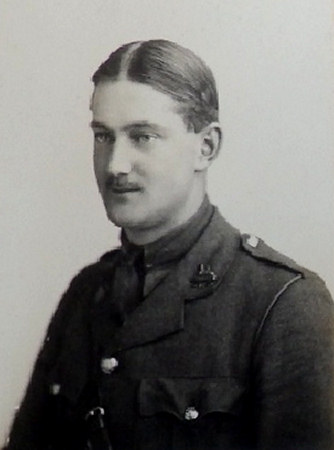 Flying Officer 2nd Lieutenant Richard Borlase Jenkins
2nd Lieutenant Pilot Richard “Dick” Borlase Jenkins age 19 of Teignmouth, died of wounds received in action in a fight with a German Fokker plane as he was returning from bombing a German depot.
17th
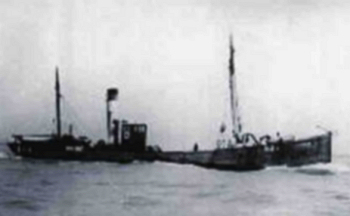 HM Trawler Fulmar
Deck Hand William Thomas of Teignmouth, HM Trawler Fulmar, died when a mine exploded while on mine sweeping patrol duty in the Gulf of Sollum, situated off the north coast of Egypt.
18th
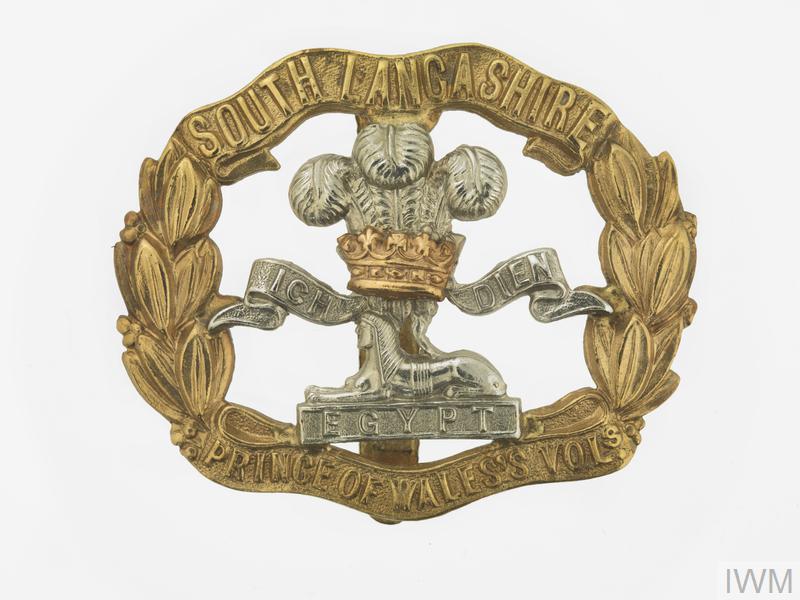 South Lancashire Regiment Cap Badge
Private Samuel Earl of Teignmouth, aged 25, 8th Battalion South Lancashire Regiment was killed in action on 18 January 1916 on the Western Front
13th
Captain William James Rees of Teignmouth, Master of the Barquentine "Fanny" died at sea 13 February 1916 aged 45, his ship was thought to have been torpedoed.
10th
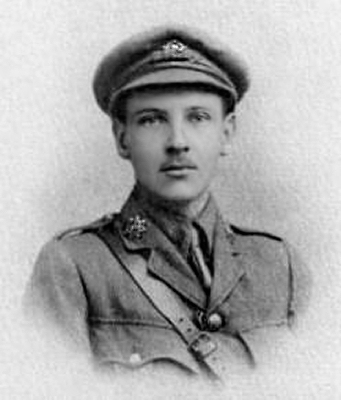
2nd Lieutenant Gerald Howard Eardley Wilmot, age 25 of Shaldon, Machine Gun Corps died in France after being struck on his chest by a rifle grenade.
10th

Lieutenant Colonel Graeme CMG, MiD was given command of the 1st Battalion of the Queens Own Cameron Highlanders and was killed in action near Loos, France 10th March 1916.
14th
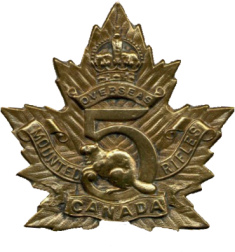 5th Canadian Mounted Rifles Cap Badge
Private Bert Huntley of Teignmouth was in the Metropolitan Police before he joined up. He was serving with 5th Canadian Mounted rifles when he was killed in action in France.
29th
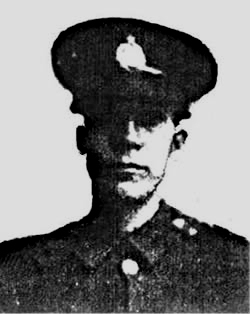
Private Alfred Charles West, 2nd Troop, Worcester Yeomanry was the eldest of five brothers who all served during the First World War, he died of wounds received in Eygpt.
5th
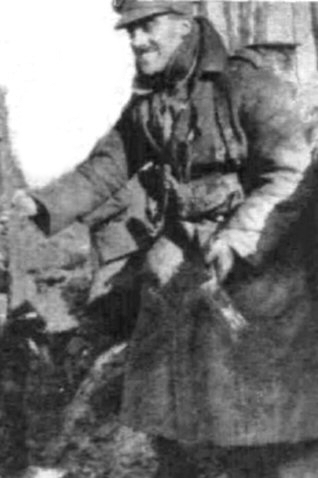
Captain Edward Bruce Conybeare MC (MiD) aged 23, of Shaldon, 1st Battalion, Worcestershire Regiment died after being wounded by Minenwerfer (short-range trench mortar) in Mesopotamia.
7th
Wiltshire Regiment
Cap Badge
Private Alfred Vicary of Teignmouth, 5th Battalion, Wiltshire Regiment was only 16 years old. He died of wounds received as part of the Tigris Corps attempt's to relieve the Seige of Kut in Mesopotamia (Modern Iraq)
17th
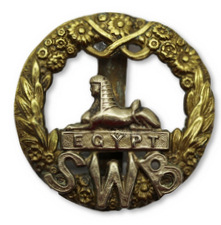 South Wales Borderers
Cap Badge
Major Frederick William Birch, 4th Battalion, South Wales Borderers died of wounds received as part of the Tigris Corps attempt's to relieve the Seige of Kut in Mesopotamia (Modern Iraq).
31st
 Warships of the Grand Fleet. © IWM (Q 68706)
Six men from Teignmouth died in the naval Battle of Jutland. Two brothers, Edward and Frederick Meyers, were both stokers aboard HMS Indefatigable; it was Frederick's 23rd birthday. Frank Morrish had just returned from leave, he was chief armourer on HMS Defence. Arthur Kidston and William Mutters were both serving in the Royal Marine Light Infantry; Arthur was on board HMS Black Prince and William on HMS Queen Mary. Seaman Stephen Sienesi died of wounds on board HMS Petard and was buried in Edinburgh.
1st

Private Alfred Johnson of Shaldon, 1st Battalion, Royal Newfoundland Regiment was Killed in Action in the first Battle of the Somme 1 July 1916 aged 23.
1st
Devonshire Regiment Cap Badge
Private Fred Newbery of Teignmouth, 9th Battalion, Devonshire Regiment was killed in action on 1 July 1916 at the Battle of the Somme aged 18.
20th
Devonshire Regiment Cap Badge
Private Tom Lockyer of Teignmouth, 9th Battalion, Devonshire Regiment, died of wounds received at the Somme on 20 July 1916 aged 32
14th
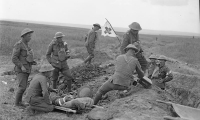
On the 14th August 1916 Private William James Coombes of East Teignmouth and Private Samuel John Parker of Teignmouth and the 24th Field Ambulance died at an advanced dug-out dressing station, attending to the wounded, when a German shell hit the dug-out and exploded in the middle of it, killing and wounding about a dozen men.
6th
Devonshire Regiment Cap Badge
Private Frederick George Reginald Roff of Teignmouth, 9th Battalion, Devonshire Regiment, was killed in action, 6 September 1916 in France aged 18.
18th
 Middlesex Regiment cap badgePrivate George Thomas Underhill was born in Teignmouth.
He served in Egypt from the 1 September 1915.
George was posted 1st/8th Battalion, Middlesex Regiment in France, where he was involved in the fighting at Wedge Wood, north of Comblesand was presumed to have died.
26th
 Thiepval battlefield © IWM (Q 1073)
Private Richard Hannaford aged 36, 8th Battalion, the Canadian Infantry and Major Michael Claud Scarbrough aged 33 of Teignmouth, 12th Battalion, Middlesex Regiment were killed in action at Thiepval, Somme 26 September 1916.
2nd
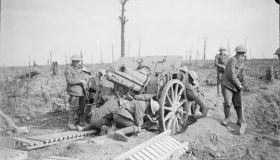 © IWM (Q 4367)
Private William Driver Nathan of Teignmouth, 1st/19th Battalion, the London Regiment was killed in action 2 October 1916 in the Battle of the Somme aged 23.
9th
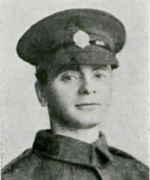
Rifleman Samuel Edward Sampson of Teignmouth, 5th (City of London) Battalion, London Regiment),
was killed in action, in France, 9 October 1916 aged 27.
22nd
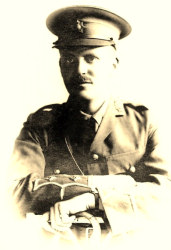 Major Frederick (Tez) Robert Fulford Warren's family lived at lived at Den Crescent, Teignmouth. His father was Manager of the National Provincial Bank.
Frederick went to France in March 1916 with 14th Battalion, Hampshire Regiment, and was killed in action on 22 October 1916.
26th
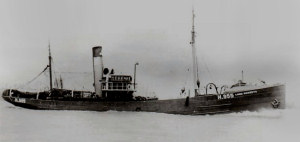 HM Naval Trawler Lord RobertsDDeck Hand William Bruford was serving on HM Naval Trawler ‘Lord Roberts when he died when the ship sank as a result of a mine laid by submarine UC11.
Fishing vessels on Admiralty service played a role in something in the region of 20 per cent of all allied U-boat sinkings during 1918.
15th
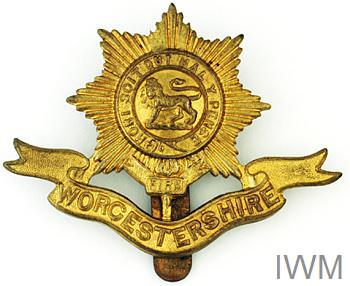 Worcestershire Cap Badge © IWM (INS 5704) Private Alfred James Massey was posted to France after a short period of training.
Serving with the 1st Battalion, Worcestershire Regiment, he took part in the battles of Neuve Chapelle, Hill 60, Ypres, Festubert, Loos and Givenchy.
Alfred was reported as killed in action on the Somme on 15 November 1916. His younger brother was serving with the same regiment.
16th
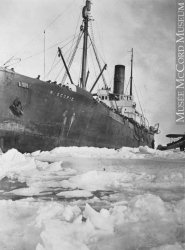 Able Seaman John Richard Cumming's naval record reports that he was reported absent from the icebreaker SS “Nascopie"on 17 November 1916.
His body was found alongside the vessel in the Canadian Arctic on 20th November and his death recorded as “Killed or died by means other than disease, accident or enemy action”.
23rd
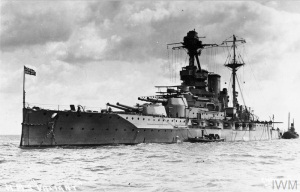 HMS Valiant. © IWM (Q 75203)Able Seaman Henry Frank Denham was called up to serve on HMS Valiant, and he took part in the battle of Jutland where Vailant fired 288 15-inch shells at the German Fleet but suffered no damage.
Henry died from disease.
23rd
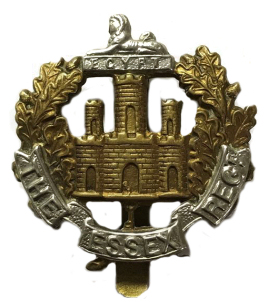 Essex Regiment cap badge Reginald Cyrus Tokely lived at Sunnylands’, Landscore Road, Teignmouth.
He was gazetted as 2nd Lieutenant with 2nd Battalion, Essex Regiment.
Reginald died of wounds whilst fighting with 2nd and was buried at Grove Town Cemetery, Meaulte, France.
31st
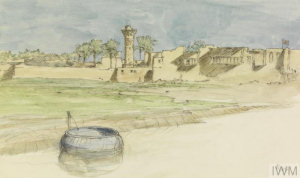 A view across part of Kut. © IWM (Art.IWM ART 2436)Private James Lambe of Shaldon was sent to Mesopotamia (Modern Iraq), as part of the force to relieve the British-Indian garrison in the town of Kut that was under siege by the Turks.
He went missing and was believed to have been taken prisoner when the town surrended.
1917
8th
Private Samuel Alfred (Fred) Chapple married Florence Emily Thomas of 23 Fore St, Teignmouth.
Samuel served with 4th Reserve Battalion, Devonshire Regiment, and died in hospital at Tidworth, Wiltshire, on 8 January 1917.
23rd
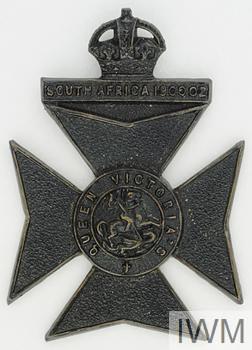 London Regiment Cap BadgeIWM (INS 7245)
Rifleman Cecil Robert Tolcher was serving with 9th Battalion, London (Queen Victoria Rifles) Regiment, service number 5045, in trenches near Lavente.
The Battalion was heavily shelled and he died of wounds on 23 January 1917 aged 19.
25th
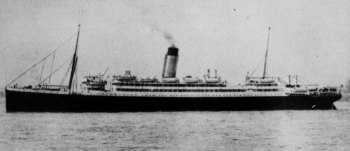 HMS Laurentic. State Library of Queensland Neg No 133078Able Seaman Frank Pym served on SS Laurentic, a British ocean liner that had been converted to an armed merchant cruiser.
She struck mines and sank, 350 of the 470 aboard died and £5,000,000 of gold bulllion that she was carrying as payment for munitions went down with them.
17th
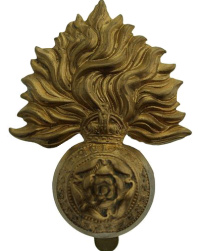 Royal Fusiliers Cap BadgeCorporal Sidney John Hore of Shaldon, 22nd Battalion, Royal Fusiliers died 17 February 1917 aged 35.
His parents were William and Hannah Hore of Ringmore Farm. In 1911 he was working as a grocer's assistant in Teignmouth.
7th
Private William Thomas Parsons, of Teignmouth, 22nd Wessex and Welsh Regiment, Rifle Brigade, died in hospital, 7 March 1917 aged 32.
He was the son of Thomas, a shipwright, and Jane Parsons of Park Street, Teignmouth.
17th
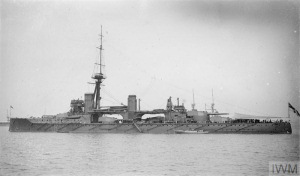 HMS Paragon
Able Seaman Sydney Rich of East Teignmouth, HMS Paragon, Royal Navy, was killed in action, 17 March 1917 aged 21.
The Paragon was torpedoed by German torpedo boats S-49 and G-86 that were planning to destroy the Dover Barrage with Sperrbrecher Tillessen. Only ten of her complement of 77 survived.
22nd
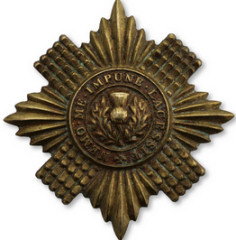 Royal Scots
cap badge
Private John Arthur George Taylor of Shaldon, Royal Scots was killed in action, 22 March 1917 aged 22.
In August 1915 he had married Beatrice May Orsman, daughter of Edward and Emma Orsman of Teignsnape, Shaldon. Their daughter, Eleanor was born in February 1917.
27th
HMS COLOSSUS as completed in 1911 © IWM (Q 38500)
Petty Officer Stoker William Pope of Teignmouth, HMS Colossus, Royal Navy, died on 27 March 1917 aged 32.
He was serving on board HMS Colossus, when he was accidentally drowned.
6th
Devonshire Regiment cap badge
Private Edward John Bennett, of Teignmouth, 9th Battalion, the Devonshire Regiment, died of wounds in France, 6 April 1917 aged 38.
Edward was the landlord of the White Hart Inn, Brook Street. Prior to that he had been the licencee of the Dawlish Inn.
9th
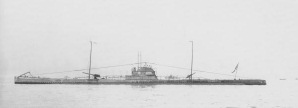 U-boat U-55
Apprentice Richard Barrington Reed of Shaldon, SS Torrington was Killed in Action 9th April 1917 aged 17.
Apprentice Reed lost his life when SS 'Torrington' (a cargo ship sailing from Italy to Cardiff to load coal for the Italian railways) was torpedoed by U 55 (Werner) off the Isles of Scilly.
12th
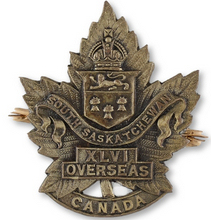 46th Canadian Infantry cap badge
Private Robert William Collins, 46th Battalion, South Saskatchewan Regiment, the Canadian Infantry, CEF, was killed in action, 12 April 1917 aged 27 in France.
He had been a member of Teignmouth Methodist School, he later moved to Canada where he attested and was killed at the Battle of Vimy Ridge
16th
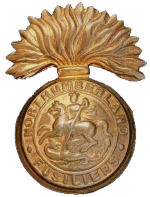 Royal Northumberland Fusliers cap badge
Captain Robert Charles Penketh, 6th Battalion, Royal Northumberland Fusiliers was died of wounds in France 16 April 1917 aged 32.
One of four brothers serving, his elder brother Alfred Thomas Penketh was killed on 12 May 1917 the third son, 2nd Lieutenant Albert Edward, was serving with 6th Battalion, North Staffs Regiment.
21st
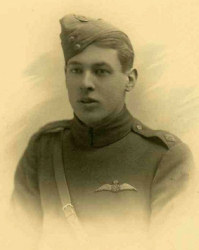 2nd Lieutenant Lewis Charles Burford Sheppard
2nd Lieutenant Lewis Charles Burford Sheppard of Shaldon, Royal Flying Corps was Killed in Action, 21st April 1917 aged 20.
Lewis' father was an artist by profession. The family came to live in Shaldon later in their lives and lived for a while at 'Undercliff' before moving to 'Ingleside'.
25th
Devonshire Regiment cap badgePrivate Edwin Johnson, of Teignmouth, 10th Battalion, Devonshire Regiment, was killed in action, in Salonika (Greece), 25 April 1917 aged 23.
"Pte Eddie Johnson of Devon's, son of Captain C Johnson, harbour master, reported as missing, was with Salonika force and has not been heard from since 24 April."- Teignmouth Post - 18 May.
29th
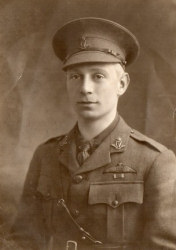 Lieutenant Col. (Acting) Hubert Dunsterville Harvey-Kelly DSO, MiDLieutenant Colonel Hubert Dunsterville Harvey-Kelly DSO MiD of Teignmouth, the Royal Flying Corps died of Wounds on the 29 April 1917.
His was the first Royal Flying Corps aircraft to arrive in France. Shortly after, on 26 August 1914, he gained the first ever British victory in air-to-air combat despite flying an unarmed aircraft. By maneuvering as if to hit a German Taube 2, then by other aggressive flying and using his pistol, he forced the aircraft to the ground.
12th
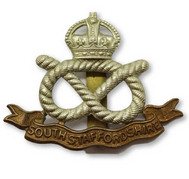 South Staffordshire Regiment
cap badgeLieutenant Alfred Thomas Penketh, 1st Battalion, South Staffordshire Regiment, was killed in action in France, 12 May 1917 aged 34.
One of four brothers serving, his younger brother Robert Charles Penketh died of wounds in the previous month and the third son, 2nd Lieutenant Albert Edward, was serving with 6th Battalion, North Staffs Regiment.
14th
1st Class (Leading) Stoker Frank John Churchill of West Teignmouth, Royal Navy, HMS Vivid, died in Military Service, 14 May 1917 aged 40.
HMS Vivid was a Royal Navy base at Devonport, a district of Plymouth.
23rd
Private George Henry Attwood of Shaldon, 3rd Battalion, the Canadian Pioneers died 23 May 1917 in France, aged 35.
George was born in Shaldon and later moved to Canada, he enlisted with the Canadian Pioneers and was serving with 3rd Battalion when he died of shrapnel wounds.
26th
Royal Army Medical Corps Cap Badge
Captain Frederick Cecil Holman Piggott, Royal Army Medical Corps, died in Military Service, 26th June 1917 aged 57.
Before the war Frederick went into practice at Teignmouth, where he was honorary consulting physician to the Teignmouth Hospital.
18th
Royal Artillery Cap Badge
Acting Bombardier Elias George Mitchell, of Teignmouth, "D" Battalion, 121st Brigade, Royal Field Artillery was killed in action, 18 July 1917 aged 23.
George came to Teignmouth from Wales where he had worked as a hewer in a mine.
19th
Royal Artillery Cap Badge
Gunner Wilfred Joseph Ogilvy Evans of Teignmouth, 233 Siege Battery, Royal Garrison Artillery, died of wounds 19 July 1917 aged 29.
Before the war Wilfred was working as an assistant chemist and photographer he was the nephew of the chemist J.J.O. Evans of Orchard Gardens, Teignmouth.
3rd
Royal Army Medical Corps cap badge
Corporal John William Sealey of Teignmouth, 2nd/1st Wessex Field Ambulance , Royal Army Medical Corps, was killed in action, in Belgium, 3 August 1917 aged 22.
Your son set his stretcher bearers a noble example and encouraged them in every way. We were sitting in a dugout watching bombs falling everywhere when one dropped five yards in front of us and there was a loud explosion. I found that a shell had fallen in the middle of our dugout, wrecking it. Your son was lying in the middle of the wreckage dead alongside my brother officer.’
By the Captain of his company.
4th
 Charles's mother (standing centre)Deck Hand Charles Thomas H Withey of Shaldon, S.S. Countess of Mar, Royal Naval Reserve, was killed in action, 4 August 1917 aged 26. His brother Private Sidney Alfred Withey died on active service on the battlefields of France 23 April 1917.
Ellen Withey of the Shaldon Lace Making School tragically received the news of the loss of two of her sons within such a very short time.
6th
 Corporal Henry Ernest Short
Corporal Henry Ernest Short of Teignmouth, 7th Battalion, Prince Albert’s (Somerset Light Infantry), was killed in action, 6 August 1917 aged 41.
“Ern joined 1915 Derby scheme, attached to Devon's; on being sent to France a few weeks ago he was posted to Somerset L I. On joining army he closed his poulterers and greengrocer business which he had taken over from his parents”.
Excerpt from Albert Best Diaries
7th
 Somerset Light Infantry
cap badge
Private Henry Hexter of Teignmouth, was serving with the 7th Battalion, Somerset Light Infantry, when he was killed in action at the 3rd Battle of Ypres on 7 August 1917.
It was noted in the Teignmouth Post that he was the husband of Bertha, 2 New Quay, Strand, and they had four children. Henry was a stone-mason/plasterer before the war.
15th
RAMC cap badgePrivate Ernest Ellis Tothill, of Teignmouth, 24th (1st Wessex) Field Ambulance, Royal Army Medical Corps, was killed in action aged 27, 15th August 1917, at Ypres.
Before the war Earnest was working as a solicitor's clerk with the Teignmouth District council in 1911 and his brother, Frank, was running the post office with the help of one of his sisters.
22nd
Private George Richard Heath of Teignmouth, 6th Battalion, Prince Albert’s (Somerset Light Infantry), was killed in action at Ypres, 22 August 1917 aged 34.
He had married Ada May Towell before the war and had been living with her and their three children at 16 Bickford's Lane, Teignmouth, Devon before the war.
24th

Signal Boy Charles Stephens of Shaldon, HM Yacht Penetia, Royal Navy, died in an accident 24 August 1917 aged 17.
He was putting off to a trawler with a motor-launch with provisions when it broke down. The trawler was going full-speed astern and sunk the launch. Charles and a friend jumped to a buoy but Charles slipped off and was caught by the propeller.
20th

Lieutenant Vincent Harcourt Stiles, 1/24th (County of London) Battalion (The Queen’s) London Regiment, attached Machine Gun Corps, was killed in action, at Ypres in the battle of Menin Road, Ypres, 20 September 1917 aged 35.
23rd
Private Stanley Ernest Wilshere aged 27, Machine Gun Corps was killed in action on 21 September 1917.
Stanley was born at Wandsworth, London in 1890, the son of John, a shop merchant, and Julia. His parents moved to Northumberland Place in Teignmouth prior to 1917.
4th
Private Elisha Andrews was a carpenter in Teignmouth before the war.
He was serving with the with 1st Battalion, Devonshire Regiment when he was reported missing during the action at Passchendaele and presumed as having died on 4 October 1917. Later identified by his two identity discs in 1921 he was reburied in Tyne Cot Cemetery
23rd
Private Elisha Andrews, aged 32, 1st Battalion, the Devonshire Regiment was reported missing during the action at Passchendaele and presumed as having died on 4 October 1917 at the Battle Passchendaele in France.
He was later identified by his two identity discs in 1921 and was reburied in Tyne Cot Cemetery.
15th
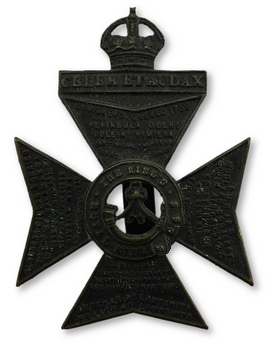 Kings Royal Rifle Corps
cap badge
Sergeant William Henry Christopher Johns, of Teignmouth was a waiter at the Royal Hotel before the war.
He served with the 8th Battalion, Kings Royal Rifle Corps and died of wounds, 15 October 1917 aged 21, at the Battle Passchendaele in France
19th
Royal Artillery cap badge
Gunner William Edward Morrish of Teignmouth, "B" Battery, 58th Brigade, Royal Field Artillery, served in Flanders with "B" Battery, 58th Brigade.
He was severely wounded in his thigh and abdomen and died of wounds, 19 October 1917 in Flanders.
23rd
 Royal Engineers cap badge
Sapper John James Hugo Francis of Dawlish, 332nd Road Construction Company, Royal Engineers, was killed in action, at Poperinghe in Belgium, 23 October 1917 aged 37.
He was returning to the base when he was struck by a shell and killed instantly.
28th
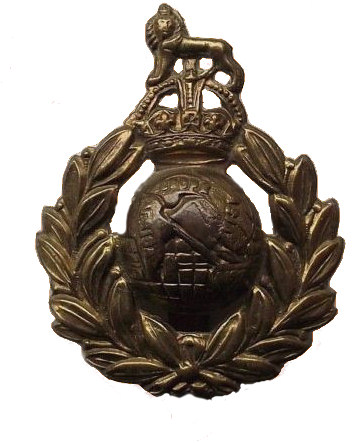 Royal Marines cap badge
Private James George Evans of Teignmouth, 2nd Royal Marine Battalion, Royal Naval Division, died of wounds, 28 October 1917 aged 32 at Passchendaele, part of the 3rd Battle of Ypres.
8th
Private William Norman Fursman, 9th Service Battalion, Devonshire Regiment, died of wounds on 8 November 1917 at the 3rd Battle of Ypres
14th
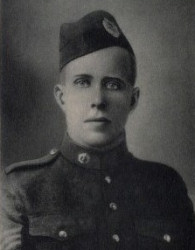 Private Launcelot Edward Carter
Private Launcelot Edward Carter, 43rd Battalion, Manitoba Regiment, Canadian Infantry, was reported missing during operations on Passchendaele Ridge.
He was later confirmed as killed in action on 14 November 1917 aged 32.
20th
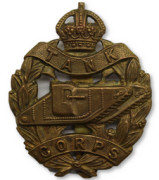
Private James Alfred Ernest Trace of Teignmouth, 'D' Company, Tank Corps, was killed in action, at the Battle of Cambrai in France, 20 November 1917 aged 21
21st
Private Thomas Edgar Dear of Teignmouth, 1/5th Battalion, the Devonshire Regiment, was killed in Action, 21 November 1917 in Palestine aged 25.
Thomas was working as upholsterer’s apprentice before the war.
24th
 The SS DunrobinMaster Henry Ison, of Teignmouth, Master of the Mercantile Marine vessel Dunrobin, died at sea, 24 November 1917 aged 54.
The Dunrobin was on route from Almeria for the Tyne with a cargo of iron ore and grapes when she was torpedoed by German submarine U-53.
28th
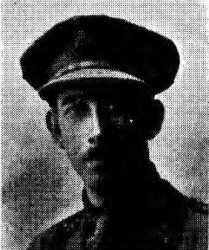 Rifleman Douglas Charles Wallace
Lieutenant Joseph Ladislas Sowinski MC, MiD, Trench Mortar Battery, Royal Field Artillery, was killed in action at the Battle of Passchendaele, 28 November 1917 aged 27.
He was twice Mentioned in Despatches for gallant distinguished conduct and was awarded the posthumous Military Cross in 1918.
30th
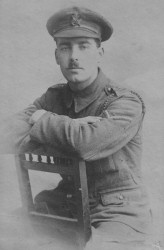 Rifleman Douglas Charles Wallace
Private Ernest George Eden aged 17 and Rifleman Douglas Charles Wallace aged 26, were killed in action, 30 November 1917 at the Battle of Cambrai in France
1st
RAMC
Cap Badge
Private Edwin Louis Radford, of Teignmouth, 1st/6th Field Ambulance, Royal Army Medical Corps was with the Cycle Battalion Base in Rouen and was working with them in the field when he was killed on 1 December 1917 aged 25.
12th
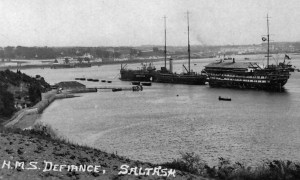
Petty Officer Harry Cowling Neiass of Ringmore, was serving on HMS Warrior and then HMS Defiance (RN Torpedo School) when he had an accident which resulted in his discharge from the Navy in July 1917.
He died in December at The Royal Devon and Exeter Hospital in Exeter on 12 December 1917
 German soldier setting off to war
