Approximately two thirds of the men of Teignmouth and Shaldon that served in the armed forces in the Great War were in the Army.
Men could choose to join any regiment and they had did so (they might be transferred later). Approximately a third of them served with the Devonshire Regiment.
Another popular choice was the Royal Medical Corps (RAMC), in 1910, the 24th (1st Wessex) Field Ambulance opened a detachment at Teignmouth, and during Great War several Teignmouth men served in the ranks of the 24th.
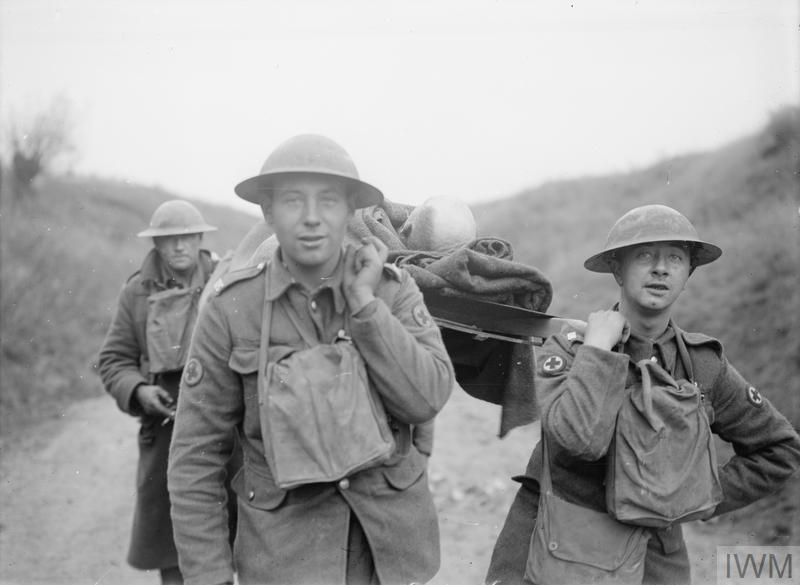 Royal Medical Corps stretcher bearers © IWM (Q 3180)
These men did not carry arms but stretcher bearers had one of the highest fatality rates as they attempted to retrieve wounded men in the midst of enemy fire.
"Private William Coombes was at the advanced dug-out dressing station, attending to the wounded, when a German shell hit the dug-out and exploded in the middle of it, killing and wounding about a dozen men.
Teignmouth Post
Friday 25th 1916
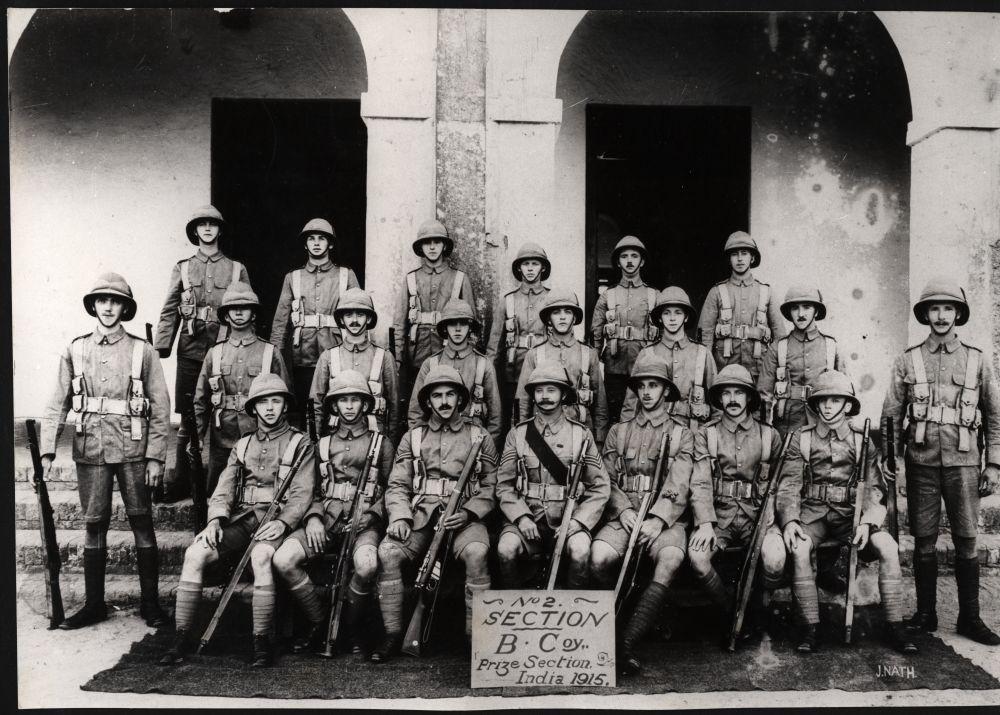 Devons in India 1915
Large numbers who joined the Army served on the Western Front, but they also fought (and many died in the process) on the other fronts.
Six local men died at Kut el-amara in Mesopotamia (modern Iraq) 3500 miles away from Teignmouth. One of them was Private Alfred Albert Vicary of Teignmouth, aged 16 .
There were many roles other than fighters in the Army, the "A" company of the Army Supply Corps ran bakeries, supplying the 2 million men in the field with bread. Before the war Private Reginald Claud Hore was working as a baker at 40, The Strand, Teignmouth, when he enlisted in 1915 he found himself in the Army bakery.
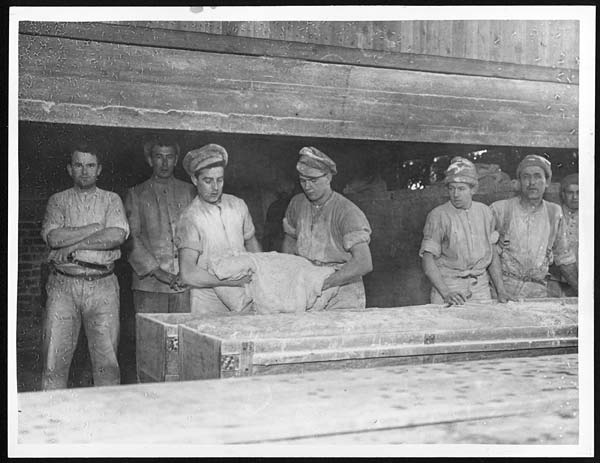 Taking the dough out of the bins to be made up into loaves. Attribution National Library of Scotland License: CC BY 4.0
Men who served at the Front Line did not spend their whole time in the trenches, behind the lines there was a support network including billets, hospitals etc. Generally battalions would be in the trenches for a few days then replaced with others whilst they went for rest, resupply and further training.
Life expectancy in the trenches was however, only six weeks and enemy guns had the capabilty for their shells to reach literally miles across the lines.
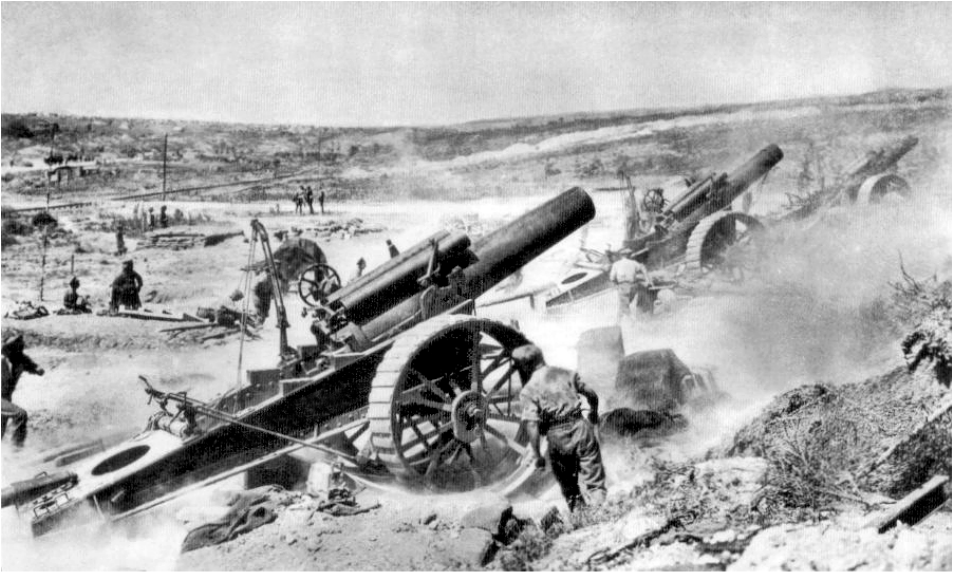 Artillery. Photo "The War Illustrated" Public Domain
Below are the regiments that our men "belonged to" we have started with "The Fallen", the men who were killed in battles, of which we have to date we have added profiles of 260 local men. Over the course of time it will be an honour to also include our research of those who served and survived the war.
4th Royal Irish Dragoon Guards
5th (Princess Charlotte of Wales's) Regiment of Dragoon Guards
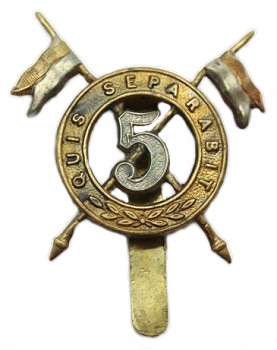
5th (Royal Irish) Lancers
6th Jat Light Infantry
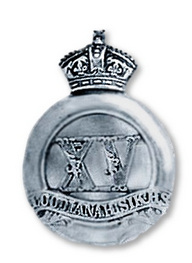
15th Ludhiana Sikhs
37th Lancers (Baluch Horse)
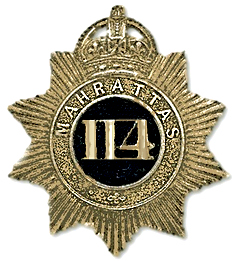
114th Mahrattas

Army Service Corps (ASC)
Australian Imperial Force (AIF)
Canadian Expeditionary Force (CEF)
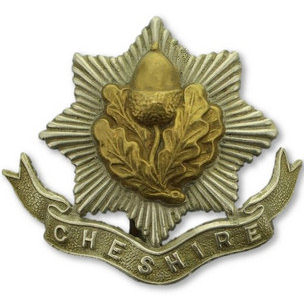
Cheshire regiment

Coldstream Guards
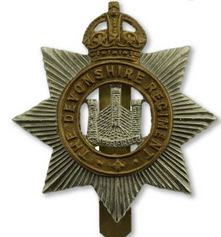
Devonshire Regiment
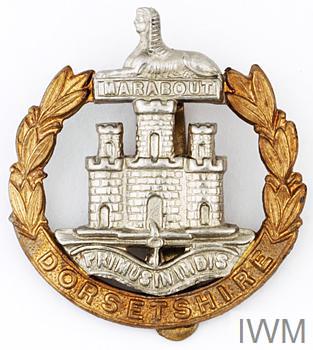
Dorsetshire Regiment
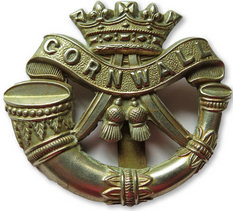
Duke of Cornwall's Light Infantry

Durham Light Infantry
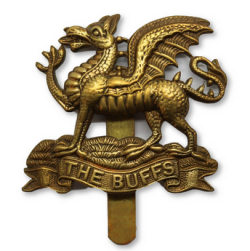
East Kent Regiment
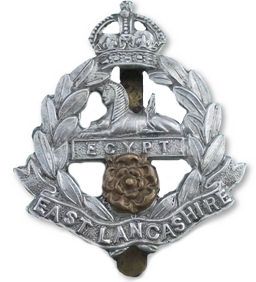
East Lancashire
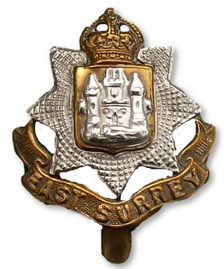
East Surrey
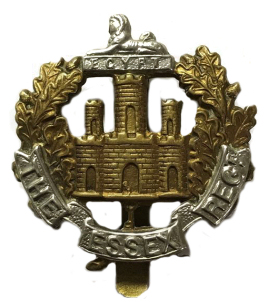
Essex Regiment
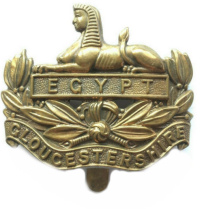
Gloucestershire Regiment
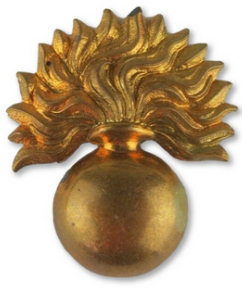
Grenadier Guards
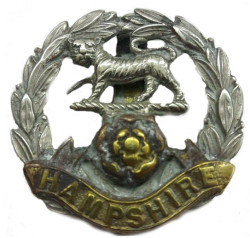
Hampshire Regiment
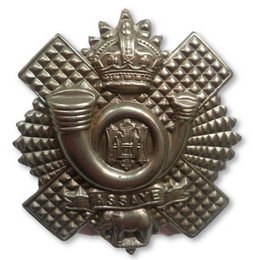
Highland Light Infantry
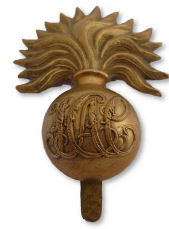
Honourable Artillery Company Infantry
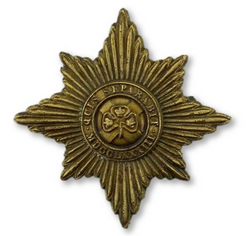
Irish Guards Regiment
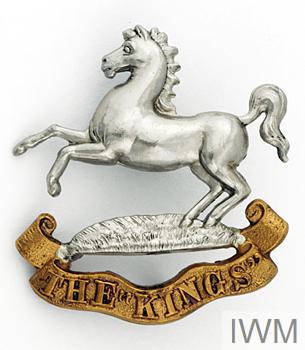
King's Liverpool Regiment
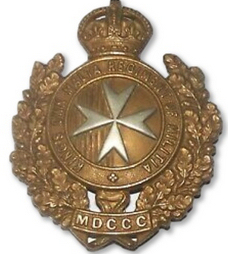
King's Own Malta Regiment of Militia
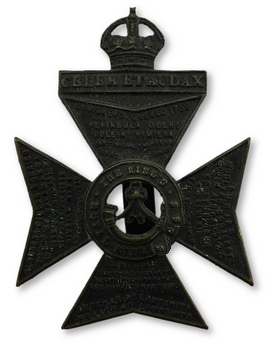
Kings Royal Rifle Corps
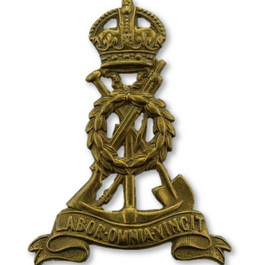
Labour Corps

Lancashire Fusiliers
London Regiment

Machine Gun Corps
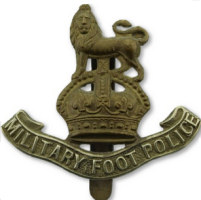
Military Foot Police (MFP)
New Zealand Expeditionary Force (NZRB)

Queen's Own Cameron Highlanders

Queen's Own (Royal West Kent) Regiment

Rifle Brigade (The Prince Consort's Own)
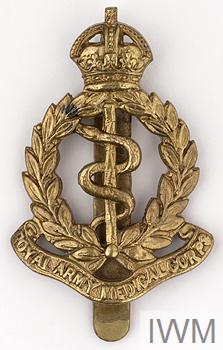 © IWM (INS 8067)
Royal Army Medical Corps (RAMC)

Royal Engineers (RE)
Royal Field Artillery
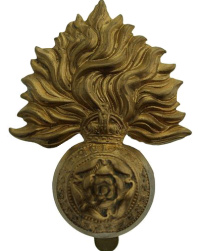
Royal Fusiliers (City of London Regiment)
Royal Garrison Artillery
Royal Horse Artillery
Royal Irish Fusiliers (Princess Victoria's)
Royal Irish Rifles
Royal Leicester Regiment
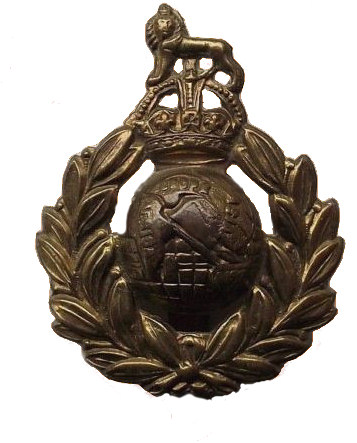
Royal Marines
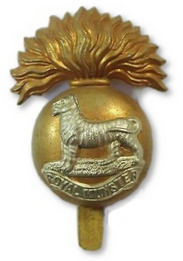
Royal Munster Fusiliers
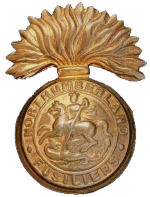
Royal Northumberland Fusiliers
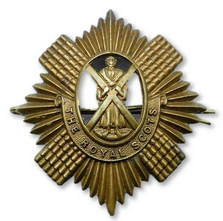
Royal Scots (Lothian Regiment)
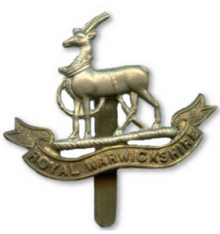
Royal Warwickshire Regiment
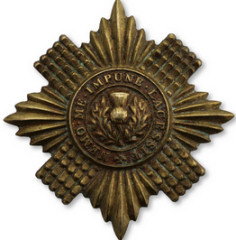
Scots Guards
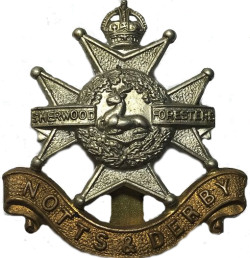
Sherwood Foresters

Somerset Light Infantry
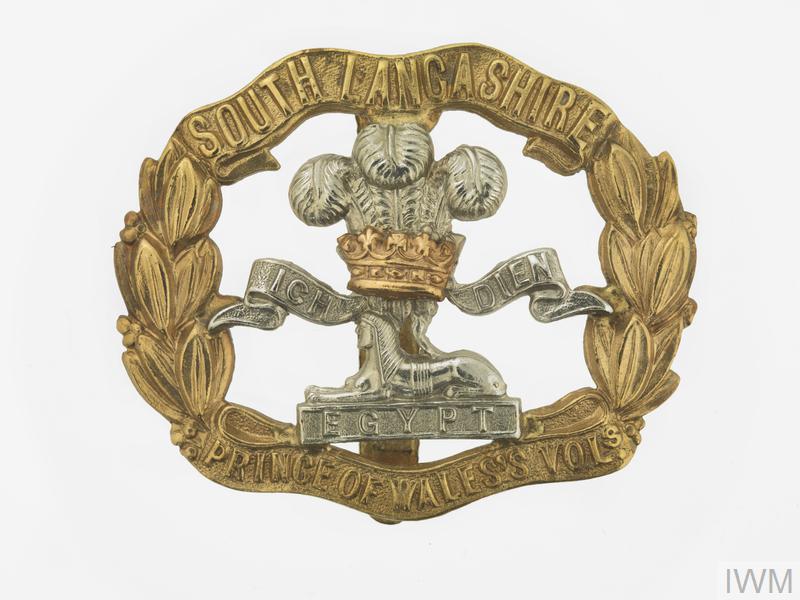
South Lancashire Regiment
Suffolk Regiment
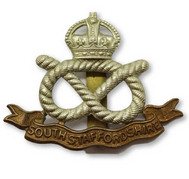
South Staffordshire Regiment
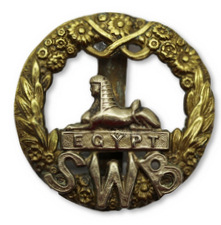
South Wales Borderers
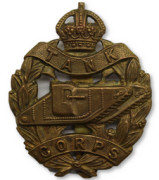
Tank Corps

The Duke of Cambridge’s Own (Middlesex Regiment)
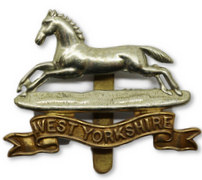
The Prince of Wales’s Own (West Yorkshire Regiment)
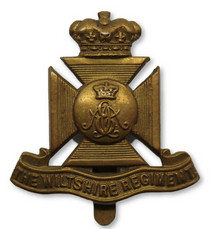
Wiltshire Regiment
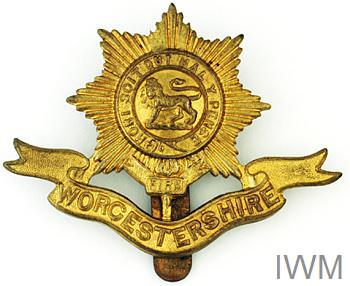
Worcestershire regiment
Worcestershire Yeomanry (Queen’s Own Worcestershire Hussars)
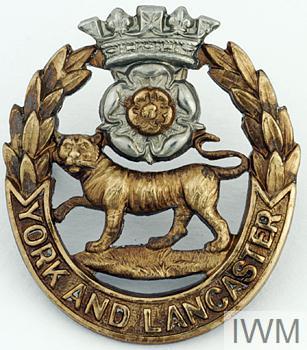
York and Lancaster Regiment

